The online conference will take place on Zoom from February 26 to 28, 2026. The event will also be live-streamed on the AFLC YouTube and Facebook platforms, and interpretation will be provided.
NOTE: The online program is still being updated. We appreciate your patience while we finish adding the final details.
February 26

Add Your Heading Text Here
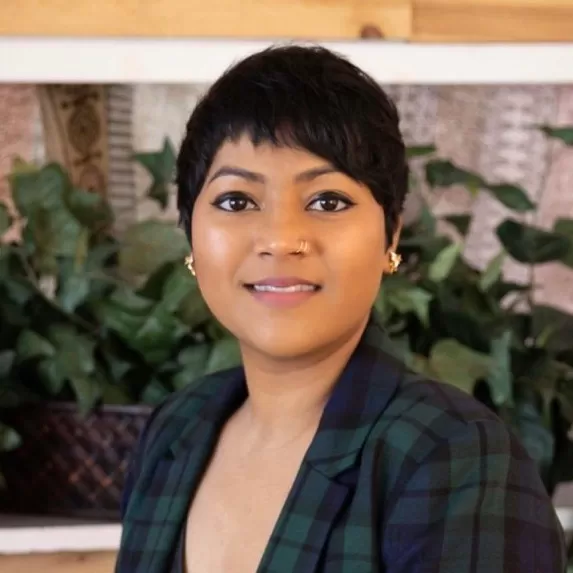
Avishta Seeras
Lorem ipsum dolor sit amet, consectetur adipiscing elit. Ut elit tellus, luctus nec ullamcorper mattis, pulvinar dapibus leo.
Add Your Heading Text Here
Lorem ipsum dolor sit amet, consectetur adipiscing elit. Ut elit tellus, luctus nec ullamcorper mattis, pulvinar dapibus leo.
Lorem ipsum dolor sit amet, consectetur adipiscing elit. Ut elit tellus, luctus nec ullamcorper mattis, pulvinar dapibus leo.
Empowering Communities Through Indigenous Language Preservation
Sub-theme #1: Language Rights
Individual Presentation (in Tshivenda & English)
- 8:00 - 8:50 A.M. UTC
- 3:00 - 3:50 A.M. EST
This session will explore the importance of speaking Indigenous African languages in promoting cultural identity, social cohesion, and economic development. We’ll discuss strategies for language preservation, share success stories, and highlight the role of language in driving community development.

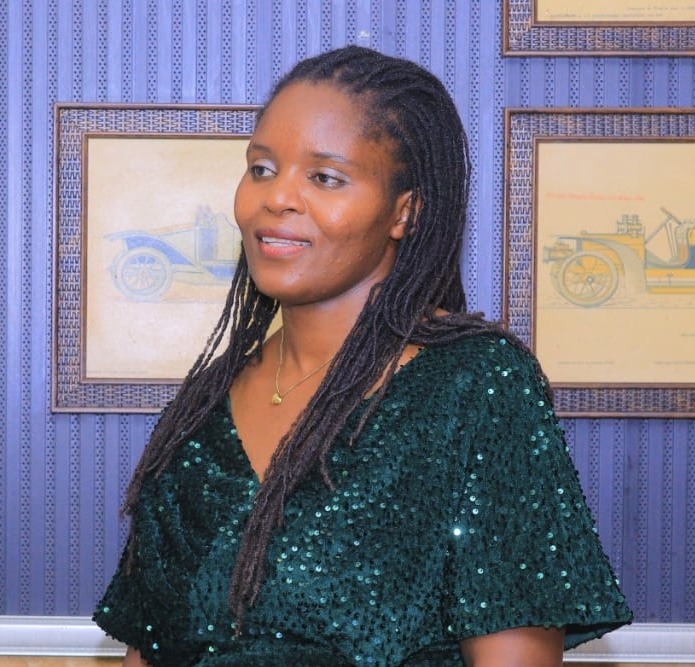
Mashudu Ravele is the founder of Tshisima Tsha Dora foundation, which aims to preserve Indigenous languages and promote the culture of reading. She is a language activist and an Indigenous published author. She has a diploma in Journalism and a BA in Communication Science.
Individual Presentation (in English)
- 9:00 - 9:30 A.M. UTC
- 4:00 - 4:30 A.M. EST
AI Social Media: Field Notes From Fulbright Senegal
Sub-theme #2: Economic Growth
This session presents a multimedia exploration of Zahn Jackson-Garrett’s ongoing Fulbright research examining Senegal’s digital economy, specifically the social media, influencer, and creator labor ecosystems that are active yet largely informal and function as drivers of economic development. The project investigates how these ecosystems can be leveraged by public and private stakeholders and local communities to generate a new labor market enabled by global social media platforms, mobile phones, and AI. Combining video content, graphics, and music, the presentation situates the research on the ground, showing how Pulaar and Wolof language speakers can leverage content creation to build livelihoods.
Zahn Jackson-Garrett is a multidisciplinary strategist working at the intersection of economic development, energy, technology, and media. Through design, technology-driven campaigns, and investment-focused initiatives, Zahn bridges digital and physical economies, creating scalable solutions that expand economic participation and drive cross-sector collaboration.
Kuvuka Vikwazo Vya Lugha Katika Elimu Maalum - Bridging Linguistic Gaps in African Languages for Neurodevelopment Care
Sub-theme #1: Language Rights
Individual Presentation (in Kiswahili )
- 10:00 - 10:50 A.M. UTC
- 5:00 - 5:50 A.M. EST
Early identification of neurodevelopmental disorders such as autism spectrum disorder, ADHD, developmental language disorder, dyslexia, and intellectual disability is critical for intervention, educational placement, and family support. In most African contexts, however, the lack of standardized, culturally relevant terminology in African mother tongues creates significant barriers. Caregivers, teachers, and community health workers often rely on idiomatic expressions or English. This session presents research creating a culturally appropriate, functional terminology guide for neurodevelopmental and communication disorders in African languages. It documents natural caregiver vocabulary, analyzes how teachers, health workers, and speech therapists translate clinical terminology, examines cultural beliefs shaping disability language, and outlines a prototype framework aligning community usage with clinical accuracy.
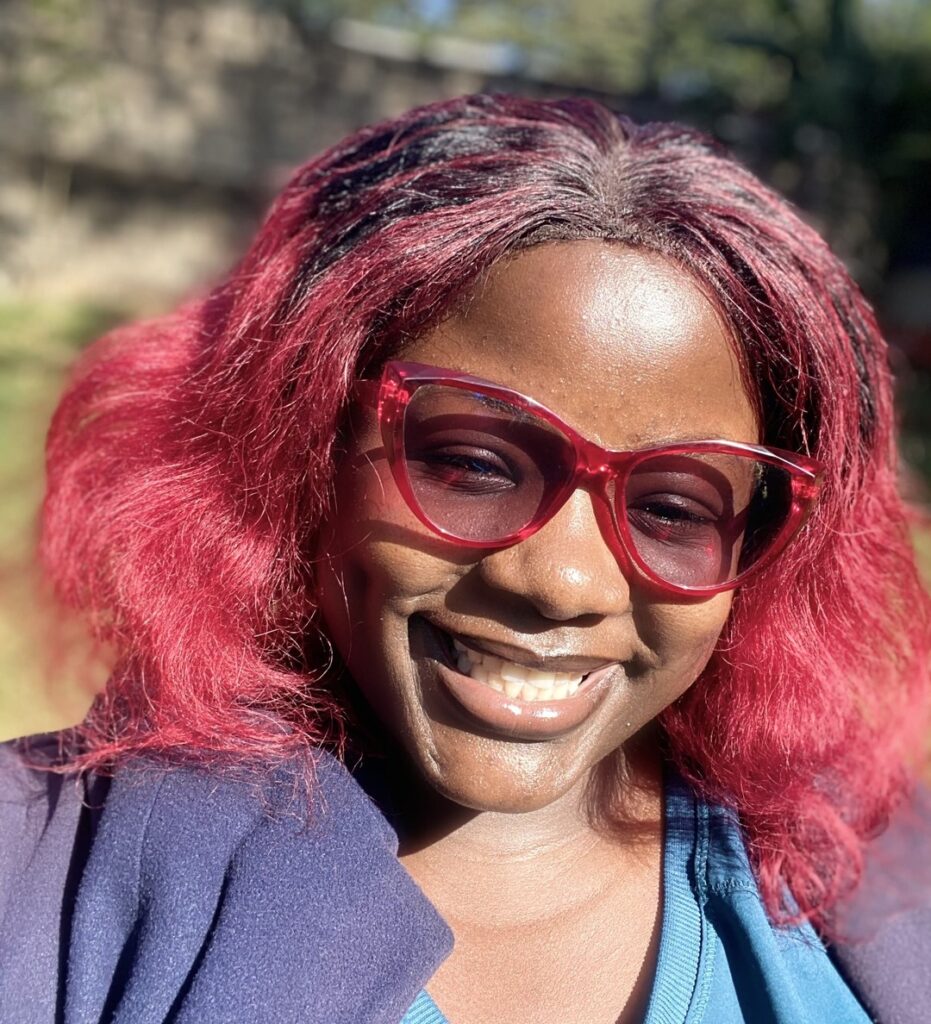
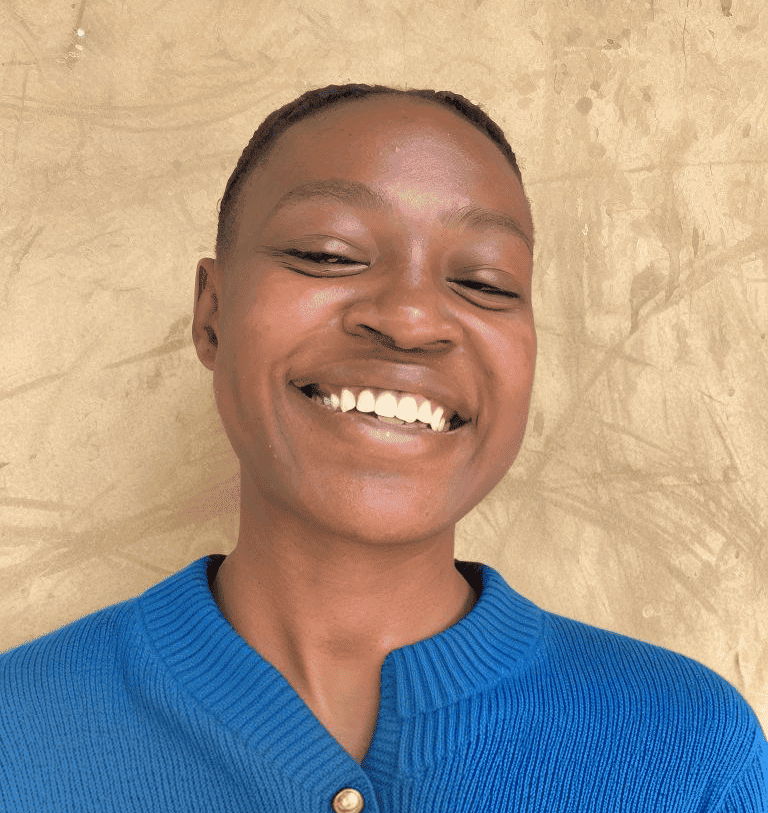
Priscah Achieng is a Special Needs Educator and Speech Therapy Practitioner who focuses on African multilingualism and early neurodevelopmental assessment.
Individual Presentation (in English)
- 11:00 - 11:50 A.M. UTC
- 6:00 - 6:50 A.M. EST
Building Global Citizens Through African and Foreign Languages
Sub-theme #4: Educational Transformation
This session will demonstrate how integrating multilingual learning unlocks literacy, intercultural understanding, and economic empowerment across communities. Drawing from LGI’s visions and successes, including using familiar Indigenous structures to teach foreign languages in rural areas, Moses Akachukwu will show how multilingual education accelerates acquisition and comprehension, and enables learners to participate confidently in global conversations while preserving their linguistic heritage. The session will also reveal how LGI’s programs; TALP, LAWAD, LGITalks, and multilingual digital tools will equip teachers and learners to thrive in diverse classrooms.
Moses Akachukwu is a multilingual educator and interpreter. He speaks Igbo, Ewe, English, French, German, Nigerian Pidgin English, basic Chinese, and Yoruba. He is a current Erasmus Mundus Scholar in the Master’s Degree Program “Transnational German Studies”. He earned a BA first-class double honours in French and German from the University of Ibadan and is the founder of Languages for Growth and Impact (LGI) Foundation, an organization that combines languages and SDGs to build global citizens.
Jàng ak Dëkkalé - Doole Jàng Wolof - From Classroom to Community: The Power of Learning Wolof
Sub-theme #4: Educational Transformation
Workshop (in Wolof)
- 12:00 - 12:50 P.M. UTC
- 7:00 - 7:50 A.M. EST
This session explores how learning Wolof can bridge classrooms and communities, strengthening multilingual education and cultural pride. Drawing from his experience as a Wolof teacher at MICRO / LanguAfrica, Sidy Mbaye shares practical strategies for teaching African languages in modern contexts—combining traditional methods with digital tools. Participants will discover how Wolof learning enhances communication, fosters inclusion, and creates new educational and economic opportunities.
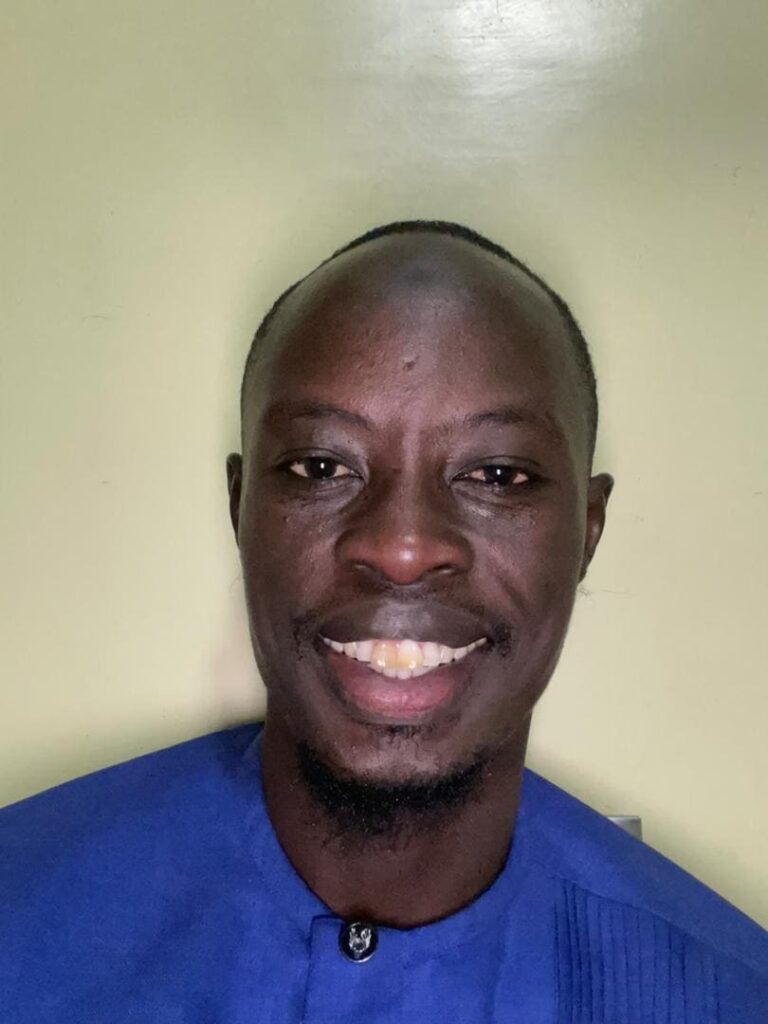
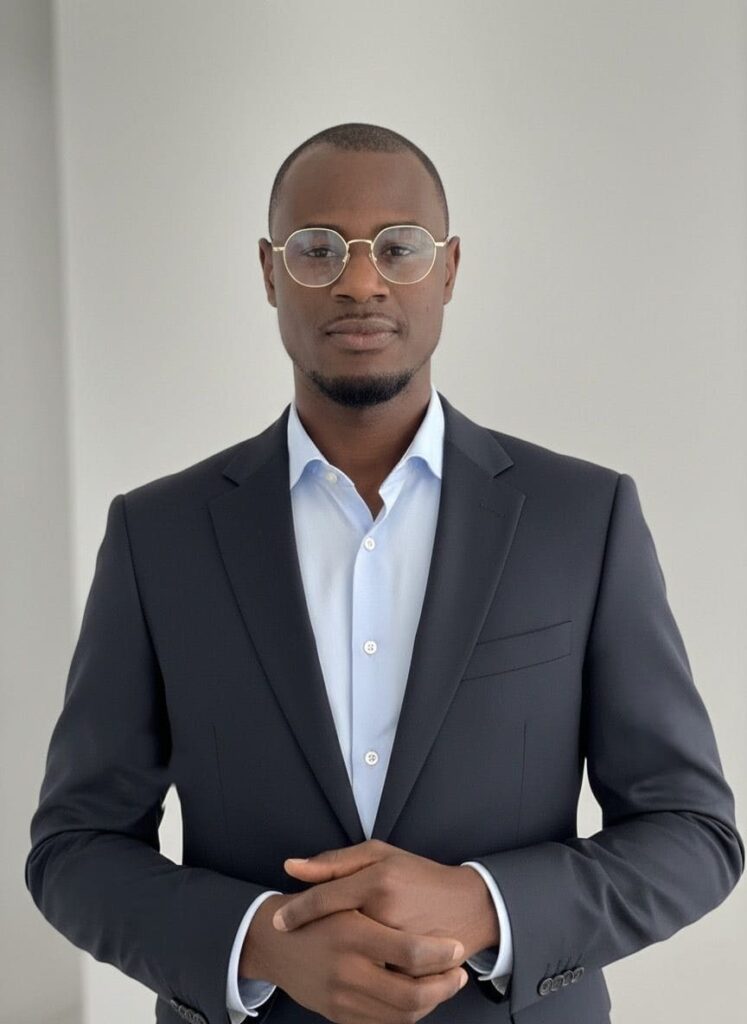
Sidy Mbaye
Sidy Mbaye is a Wolof language teacher at MICRO / LanguAfrica, dedicated to promoting African languages as tools for education, technology, and entrepreneurship. He trains learners globally in Wolof while developing digital content and resources that make African languages more accessible and profitable. His work bridges culture and innovation, empowering communities to earn and create opportunities through language.
Individual Presentation (in English)
- 1:00 - 1:50 P.M. UTC
- 8:00 - 8:50 A.M. EST
Revitalizing Tiv Heritage Through a Community-Based Museum
Sub-theme #5: Cultural Economy
This session explores the proposed Tiv Museum as a strategic response to the growing threat of language loss and cultural erosion among the Tiv people of central Nigeria. The presentation highlights how a dedicated museum can serve as a center for linguistic documentation, cultural education, and intergenerational knowledge transfer. Building on the newly compiled Comprehensive Tiv Dictionary, the session outlines how linguistic archives, oral histories, artifacts, and artistic expressions can work together to preserve Tiv identity and strengthen cultural resilience in a rapidly changing world.
Aondongusha Tsar is a linguist and researcher specializing in language documentation, cultural preservation, and community-based development. With experience in translation, research design, and project implementation, he leads initiatives through the Greenlight Future Initiative, focusing on endangered languages, education, and sustainable community empowerment.
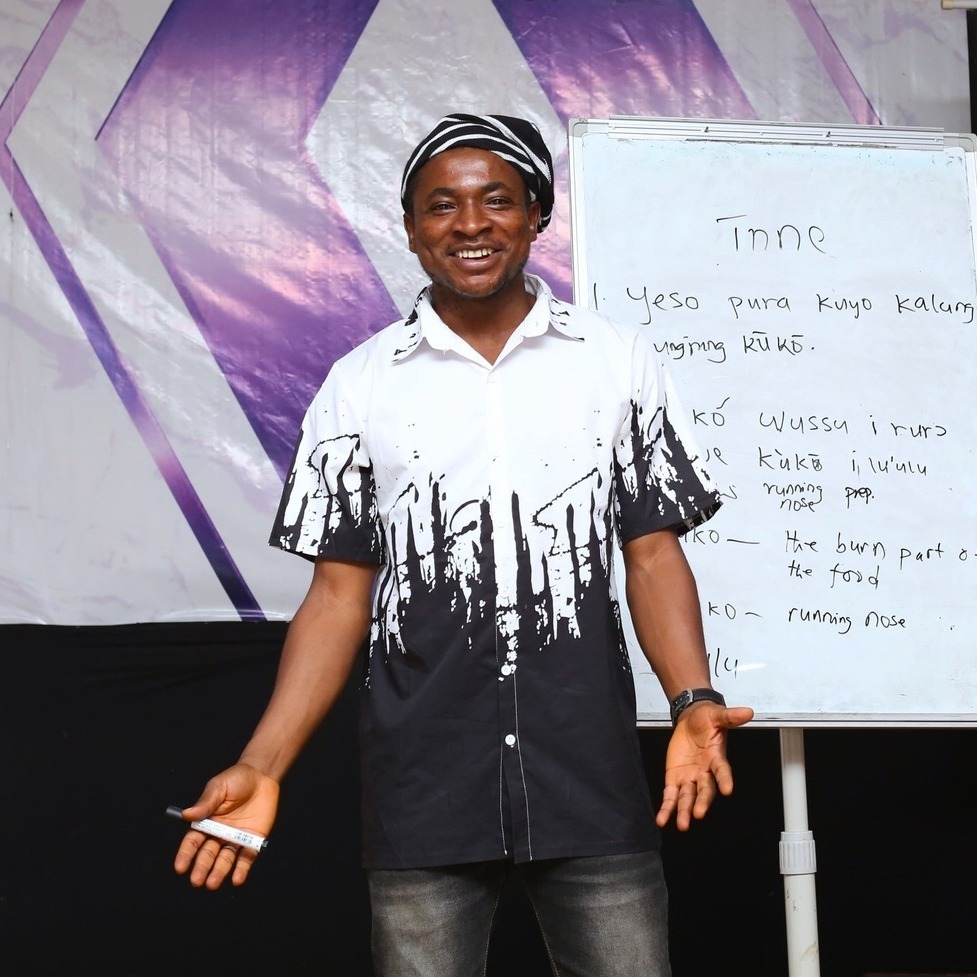
African Languages in Higher Education - Desirable, Practical, Inevitable
Sub-theme #4: Educational Transformation
Panel Discussion (in English)
- 2:00 - 3:20 P.M. UTC
- 9:00 - 10:20 A.M. EST
In African contexts, multilingual learning usually involves learning in a language the child already knows during the early stages of education, leading to a switch to a former colonial language as medium of instruction later on. How sustainable is this model if enrolment levels at all levels of education in Africa continue to rise? The panel will have presentations that argue for the desirability, the practicality and indeed the inevitability of giving more prominence to the use of African languages at all levels of education. This calls for a shift to teaching of other languages as subjects, more than using them as medium of instruction.
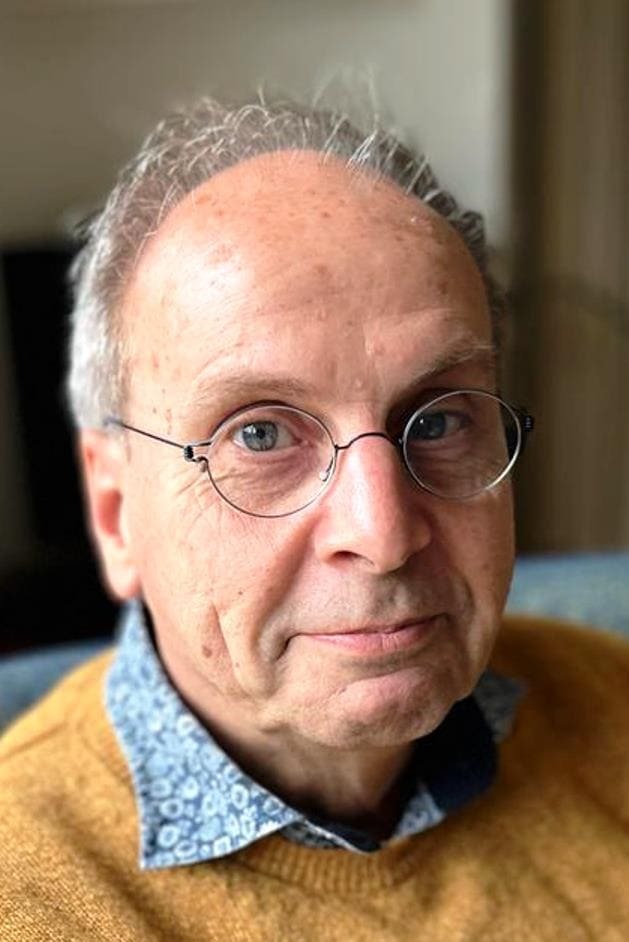
Bert van Pinxteren has an MA in adult education and community organization from the University of Amsterdam (1981), a Research Master in African studies from Leiden University (2018) and a PhD in applied African linguistics also from Leiden University (2021). Bert has worked for a number of international NGOs, notably on environment and development issues. He spent four years in Kenya and has worked, among others, as coordinator of Friends of the Earth International and at ActionAid Netherlands. His book, Language and Education in Africa (2022) was published by the Leiden African Studies Centre. Bert is the secretary to the Edinburgh Circle on the Promotion of African Languages and one of the Editors of the ‘Language Policy in Africa’ Journal. He has published Journal articles and book chapters and is the co-editor of several books, the latest one (2026) Local Languages – Global Futures, Language, Learning and Sustainability in Africa.
Topic: Revisiting Linguistic and Affective Imperatives in Mother Tongue Education (MTE)
Taiwo Oloruntoba-Oju received tertiary education at the Universities of Ilorin and Ibadan in Nigeria and the University of Reading in the United Kingdom. He is currently a professor of Language and Applied Linguistics in the Department of English and Literary Studies at the University of Ilorin. His research focuses on language and society, including language and development, language policy, youth, and gender, as well as language, style, and the literary arts. He has published extensively in these areas. Oloruntoba-Oju has been a fellow of the British Council, the Alexander von Humboldt Foundation, the Nordic Africa Institute, and the University of Edinburgh. He is co-founder of the Edinburgh Circle for the Promotion of African Languages (ECPAL) and founding co-editor of the Language Policy in Africa journal.
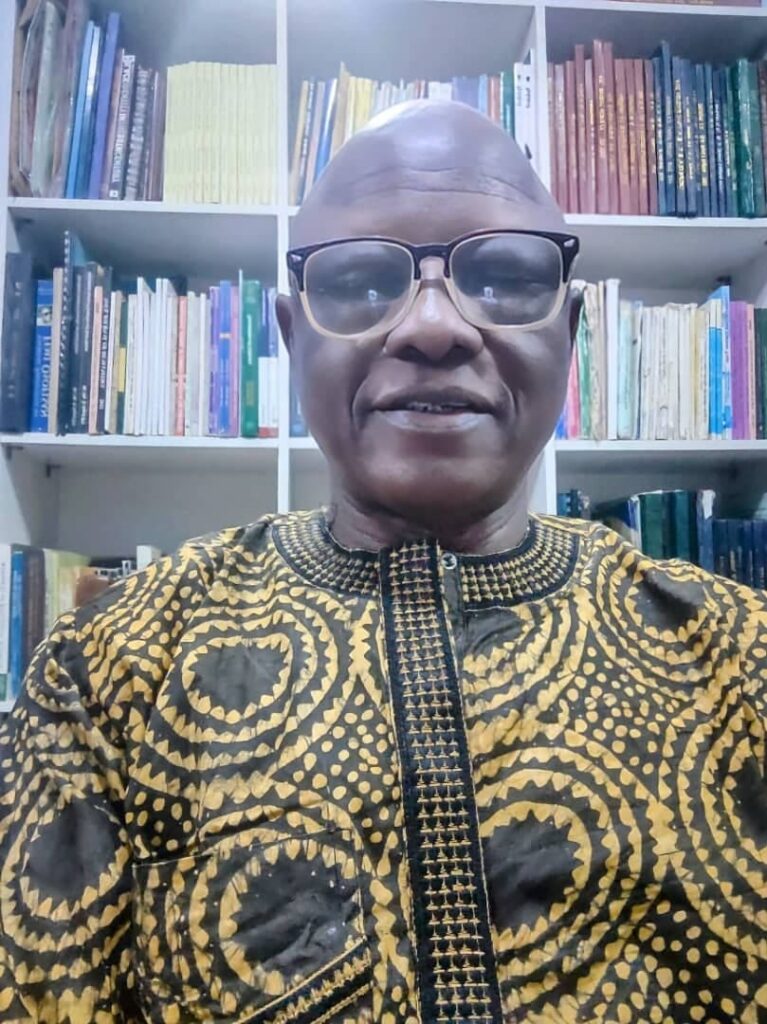
Topic: Language Policy and Planning in Postcolonial Africa: Quo Vadis?
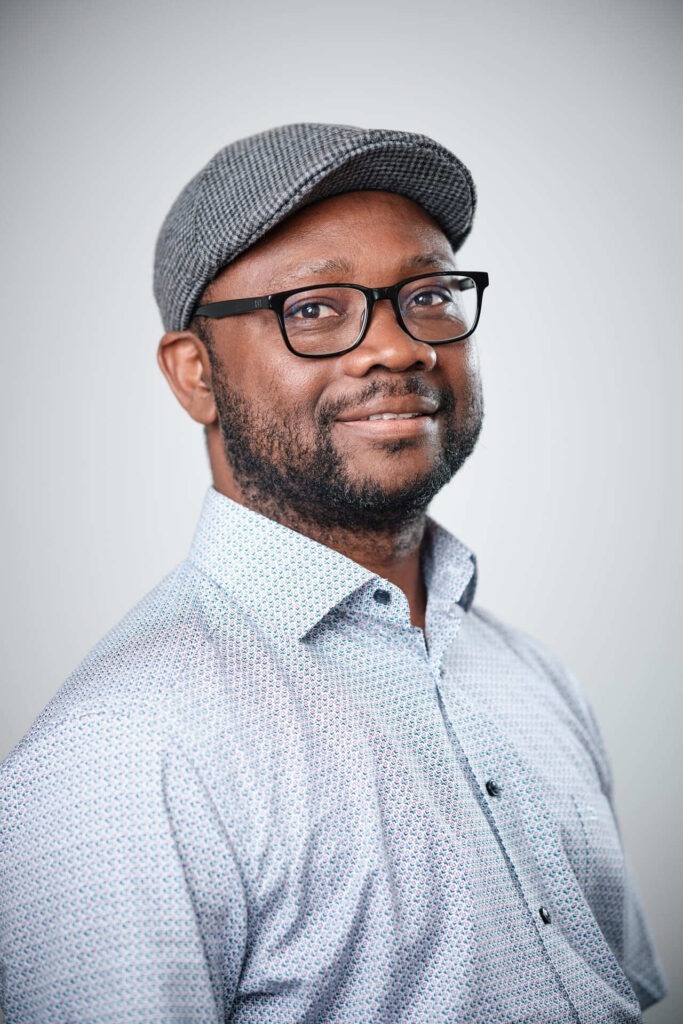
Djouroukoro Diallo graduated with a Ph.D. in Applied Linguistics from the University of Bern. He works as Head and Coordinator of Initiative Afrique at the Vice-Rectorate of Research and Innovation. He oversees the Executive Board of Initiative Afrique and is in charge of all international collaborations with African and European partners. He serves as the spokesperson for Initiative Afrique at conferences and seminars held in Switzerland and abroad.
Topic: Language and Research Publishing: Towards Creating Multilingual Research Ecosystems
Addisalem Yallew is a postdoctoral research fellow at Stellenbosch University. She has an MA in Journalism and Communication Education from the University of Addis Abeba, Ethiopia, and a PhD in Higher Education Studies from the University of Western Cape, South Africa.
Individual Presentation (in English)
- 3:30 - 4:20 P.M. UTC
- 10:30 - 11:20 A.M. EST
Turn Words into Wealth
Sub-theme #2: Economic Growth
African languages are not only cultural identifiers but also powerful tools for economic empowerment. This session explores practical and proven strategies for generating sustainable income through the use of African languages in digital, creative, and community-based industries. The session will also highlight emerging prospects in digital entrepreneurship, including monetizing YouTube channels, developing e-learning platforms, and creating mobile apps in local languages. By showcasing real-world examples and actionable models, the presentation will demonstrate how African languages can drive innovation, self-employment, and inclusive economic growth across the continent.
Khadydja Ndoye is a language education leader and the Head of Learning at LanguAfrica, an organization dedicated to expanding access to African languages worldwide. Passionate about linguistic equity and cultural transmission, she develops innovative learning programs that connect global learners to African languages such as Wolof, Swahili, Lingala and Moroccan Darija. Through her work, Khadydja explores how language skills can create economic opportunities, empower communities, and open new professional pathways in an increasingly interconnected world. She has led international educational initiatives, launched digital language programs, and collaborated with educators and institutions across continents.
Meaningful Language Access for African Communities: A Transformative Design (Starter) Playbook
Sub-theme #1: Language Rights
Fireside Chat (in English)
- 4:30 - 5:20 P.M. UTC
- 11:30 A.M. - 12:20 P.M. EST
Across Africa and in diaspora communities worldwide, story has always been the most powerful vehicle for truth, healing, and change. Long before policy papers and advocacy reports, stories moved communities to act. In this session, we explore what happens when we turn a story into an experience that helps others feel the cost of being unheard.
Now consider this: an asylum seeker arriving in a new country with little or no knowledge of its language, without the funds for professional language services, and with little or no guarantee that the system will bridge that gap for them. They must navigate courts, hospitals, schools, and bureaucracies in a language they barely speak. This is not a hypothetical. It is the daily reality of far too many African-language speakers and millions of other people around the world whose languages the systems of power were simply never built to include.
Policy change is slow. Empathy can be immediate. And empathy, sustained, embodied, transformative, can move people to act.
Transformative game design has already proven itself in mental health, education, and democratic deliberation. This conversation explores what it could unlock for meaningful language access and language justice.
In this first-of-its-kind fireside chat, Avishta Seeras sits down with Meghan Gardner, and Kjell Hedgard Hugaas. Together, they will discuss how transformative design, through live-action role-play and storytelling, can help build radical empathy and collective action, and share a starter playbook of examples and principles that participants can adapt for language access and language justice.
Avishta Seeras
Avishta Seeras is the Director and Co-founder of the African Languages Conference (AFLC) and a Social Impact Designer working at the intersection of language rights, cultural bridge-building, and social justice. She creates platforms and opportunities for Indigenous, Creole, and other underrepresented communities. As Director at Cultura Connector, she draws on her background in language justice and cultural inclusion to develop transformative programs, including GRIT, a trauma-informed initiative using live-action role-play and design thinking to support healing and resilience. She served as Co-Chair of the Global Coalition for Language Rights and has collaborated with the UNESCO Secretariat for the International Decade of Indigenous Languages. She believes that language rights are human rights, and that the communities the world has too often left unheard deserve platforms, power, and the tools to reclaim both.
Meghan Gardner
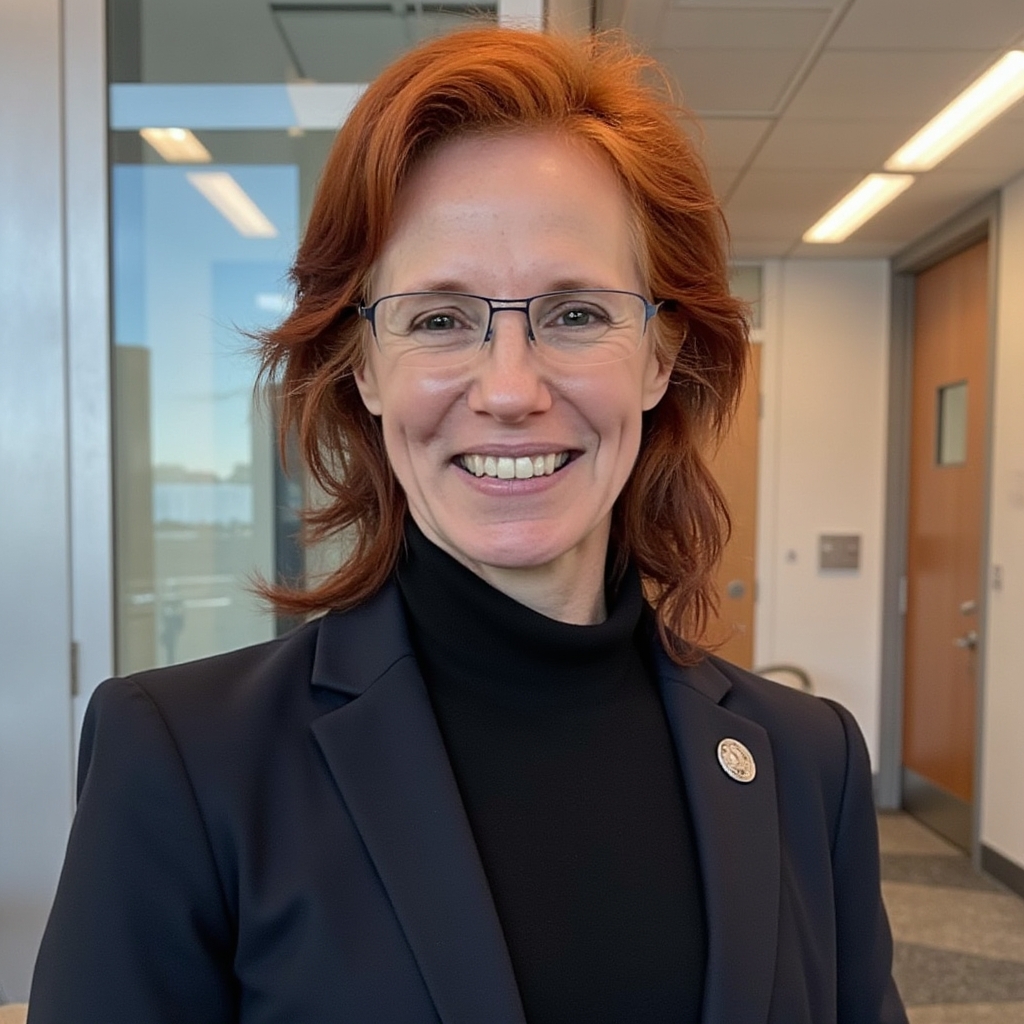
Meghan Gardner is the founder of CulturaConnector.com, a 501(c)3 non-profit NGO dedicated to Cultural Identity, Storytelling, and Healing. She has been creating transformative games and experiences that address trauma, educate, and build bridges between people since 1999 for organizations such as the Smithsonian, CERN, Royal Caribbean, the Cherokee Nation, the Princeton Review and more. Her research is focused on designing experiences that result in a measurable prolonged and sustained change of behavior. In 2025, Meghan was a guest speaker at the 80th United Nations General Assembly addressing games as a mental health intervention. As an annual visiting lecturer and expert panelist at Harvard Graduate School of Education, and an international presenter and speaker on the topics of Transformative Experiences in Education and Games, Meghan has presented to 10s of thousands of people over the years.
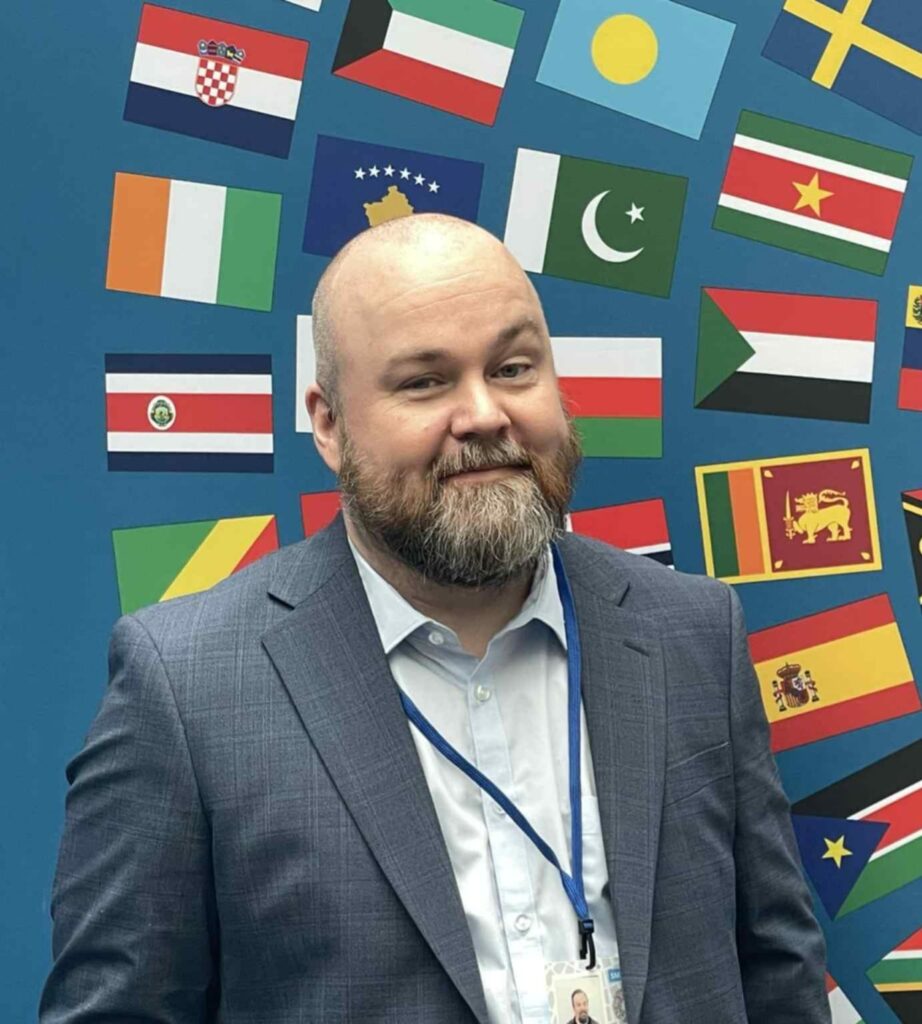
Kjell Hedgard Hugaas
Kjell Hedgard Hugaas is a Northern Norwegian storyteller, game designer, organizer, writer, theorist, and trained actor. He holds an MA and a Fil.Mag. in Game Design, and has spent over 3 decades designing games for leisure, education, therapy, leadership, and other professional settings. He also holds degrees in Nature Science and Public Management. The last decade Kjell has deepened his exploration into the transformative potential of games, and is the designer of specific intentional game design practices that facilitate transformative effects. Kjell has theorized how ideas impact players through the processes of memetic bleed, procedural bleed, and identity bleed, and is the person behind the concepts of the bleed perception threshold, and bleed as a homeostasis recovery process. Another interest that is central to his work is how games can affect players’ attitudes towards mortality and death. He currently works for Uppsala University in Sweden, and is the CEO of the creative studio and research company Evocative Games AB.
Khaya AI: Language AI on Our Own Terms
Keynote Address sponsored by SILICON at Stanford University
Keynote Address (in English)
- 5:30 - 6:20 P.M. UTC
- 12:30 - 1:20 P.M. EST
Dr. Azunre will discuss the motivation for building AI solutions by Africans for Africans. He will highlight the dangers to our countries and culture of relying on foreign AI technologies at the expense of local AI innovation. As a case in point, he will discuss the motivation and recent advances made by Khaya AI – the world’s first Ghanaian language AI-based translation system, speech-recognition system (ASR) and text-to-speech (TTS) engine. He will show some demos and recent applications of the Khaya AI API – including in voice agents, healthcare, retail, voice/video translation & chatbots. He will hope to thereby stimulate some ideas in attendants on how they might be able to apply these technologies to some of Africa’s most pressing challenges – such as online misinformation security, agriculture, telecommunication and other yet to be identified areas. He hopes to inspire attendees to reject “AI Colonization” by Big Tech and to fight for AI Sovereignty – to prioritize Africa’s Cultural, Economic and National Security interests in the new digital future.
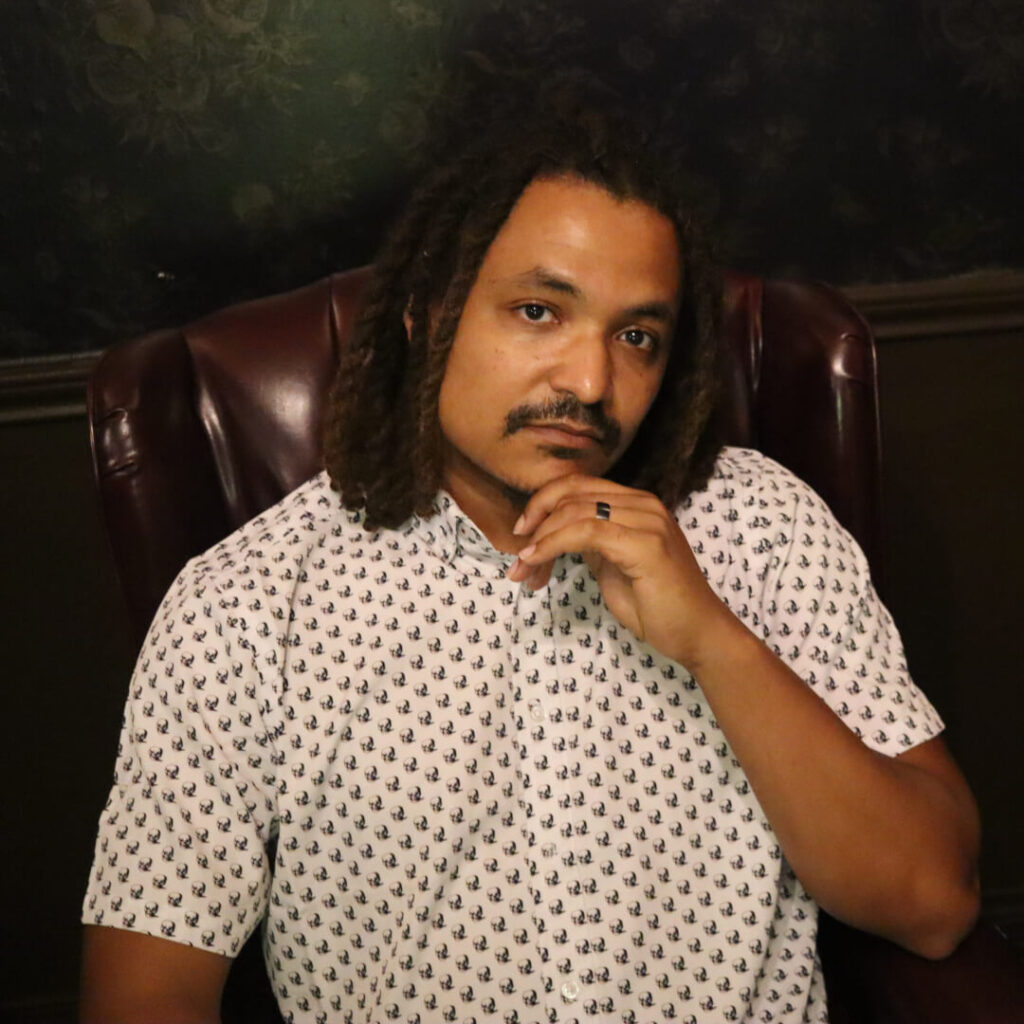
Dr. Paul Azunre
Dr. Paul Azunre holds a PhD in Computer Science from MIT and has served as a Principal Investigator on several DARPA research programs. He founded Algorine Inc., a Research Lab dedicated to advancing AI/ML and identifying scenarios where they can have a significant social impact. Paul also co-founded Ghana NLP – an initiative focused on using NLP and Transfer Learning with Ghanaian and other low-resource languages. Khaya AI spun out from these efforts as the world’s first AI translation, speech recognition and text to speech system for many Ghanaian and other African languages. He is the author of the book “Transfer Learning for NLP” by Manning Publications, one of the first books written on the subject of LLMs. His experience includes key roles at small fast-moving AI startups like New Knowledge and established tech giants like Oracle and D&B.
Individual Presentation (in Shona)
- 6:30 - 7:20 P.M. UTC
- 1:30 - 2:20 P.M. EST
Teaching STEM in Indigenous Languages: Feasibility for Comprehension
Sub-theme #4. Educational Transformation
This presentation examines the feasibility of teaching Science, Technology, Engineering, and Mathematics (STEM) in African Indigenous languages at the early learning level. Drawing from research in Zimbabwe, it shows how mother-tongue instruction enhances understanding, participation and creativity among learners. The study also addresses challenges such as limited resources and teacher preparedness, offering practical strategies for multilingual STEM education that drives inclusive and sustainable transformation.
Roseline T. Kumvekera is an Early Childhood Development lecturer at Morgan Zintec College, specialising in Mathematics, Science, and Technology education. Holding a Master’s in ECD from Great Zimbabwe University, she has presented widely on ECD Maths and Science pedagogy, language in education and innovation in ECD. Her research interests include Indigenous language instruction, artificial intelligence in education and sustainable curriculum design in early learning contexts.
February 27
Fanandratana Ny Teny Malagasy Amin'ny Sehatra Nomerika - Language Revitalization Through Community and Digital Platforms
Sub-theme #3: Digital Innovation and AI
Workshop (in Malagasy)
- 8:00 - 8:50 A.M. UTC
- 3:00 - 3:50 A.M. EST
This session will explore the intersection of community-driven language revitalization efforts and digital innovation. Focusing on African languages, we will discuss how digital platforms, including social media, apps, and online archives, can serve as powerful tools in the revitalization of endangered languages. Drawing from case studies, particularly in Madagascar, we will highlight how communities are leveraging digital technologies to document, teach, and promote local languages. Attendees will learn about practical strategies for integrating African languages into digital spaces, ensuring their survival and fostering cultural pride.
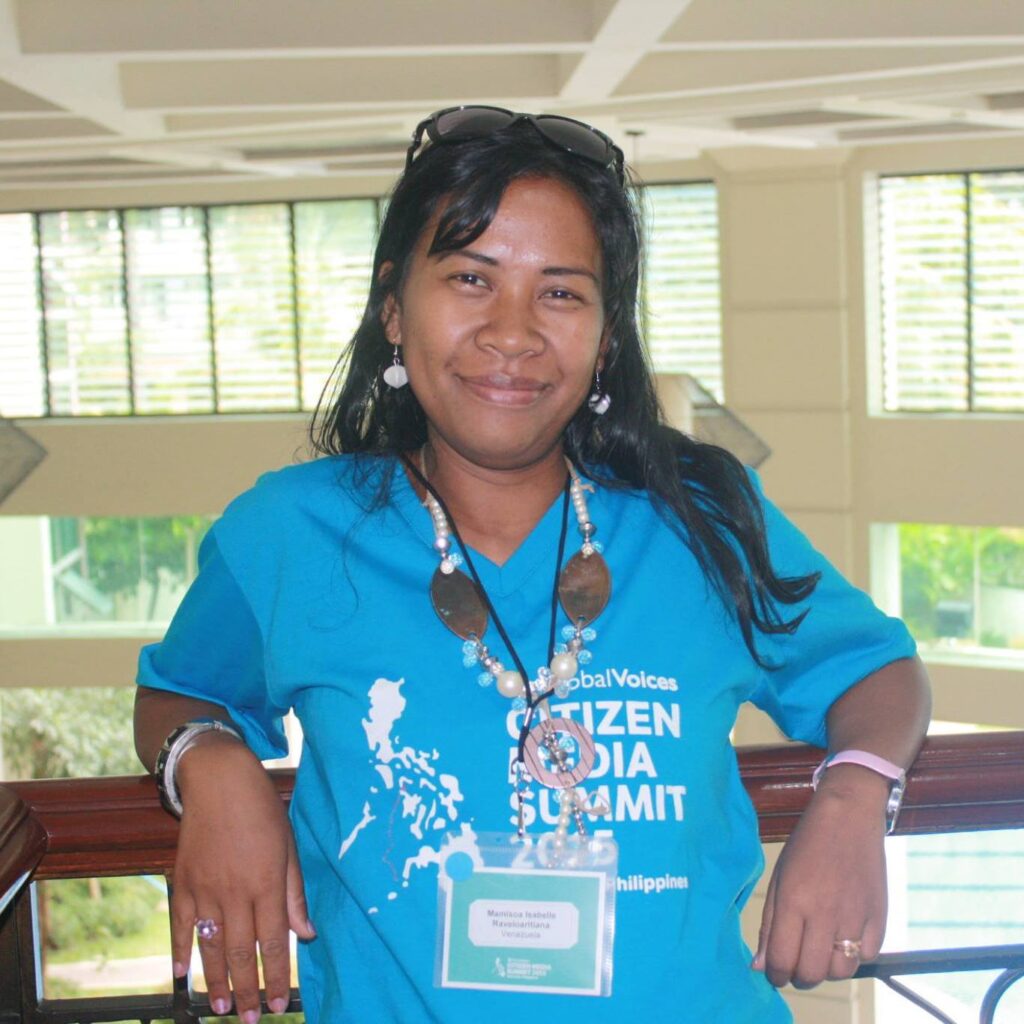
Mamisoa Raveloaritiana is a language activist, translator, and writer passionate about linguistic inclusion. She contributes to Wikipedia, Global Voices, and other platforms focused on language revitalization. Raveloaritiana has participated in Wikimania 2025 and Language Lodge 2025, with research focusing on digital revitalization of local languages in Madagascar.
Individual Presentation (in French)
- 9:00 - 9:50 A.M. UTC
- 4:00 - 4:50 A.M. EST
Designing Fair Bilingual Assessment Frameworks for Multilingual Contexts
Sub-theme #4: Educational Transformation
This presentation explores how bilingual assessment frameworks can make education more equitable in multilingual settings. Using lessons from the ELAN initiative in Francophone Africa, it examines how traditional monolingual assessments often disadvantage learners educated in more than one language. The session will highlight practical approaches to designing fair, culturally relevant, and linguistically inclusive assessments that recognize learners’ full potential. It will also share insights from ongoing ELAN pilots and discuss how countries can integrate bilingual assessment into national education systems to strengthen inclusion and learning quality.
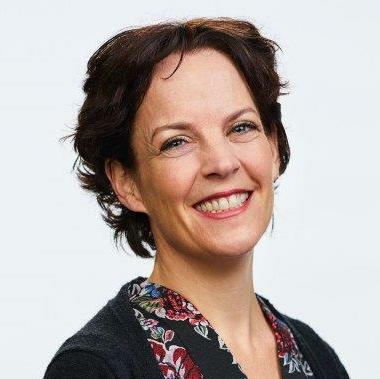
Margot Mol is a multilingual education consultant and assessment expert with over 20 years of international experience in Africa, Europe, Asia, and the Caribbean. She specializes in bilingual assessments and promotes linguistic inclusion through curriculum reform and teacher training. Her work advances multilingual education as a driver of equity, quality learning, and social justice.
Building AI That Understands African Languages and Realities
Sub-theme #3: Digital Innovation and AI
Individual Presentation (in English)
- 10:00 - 10:50 A.M. UTC
- 5:00 - 5:50 A.M. EST
Africa’s linguistic diversity is both a cultural strength and a barrier to inclusive digital transformation. Although AI technologies are advancing, most global systems are trained on Western datasets, resulting in models that overlook African languages and cultural contexts, which reinforces digital inequality. Recent initiatives, signal progress toward African-centred language technologies. However, structural challenges persist. This session presents an overview of how AI tools can advance linguistic inclusion. It argues that African languages must ground digital innovation and guides the development of equitable, language-centric AI.
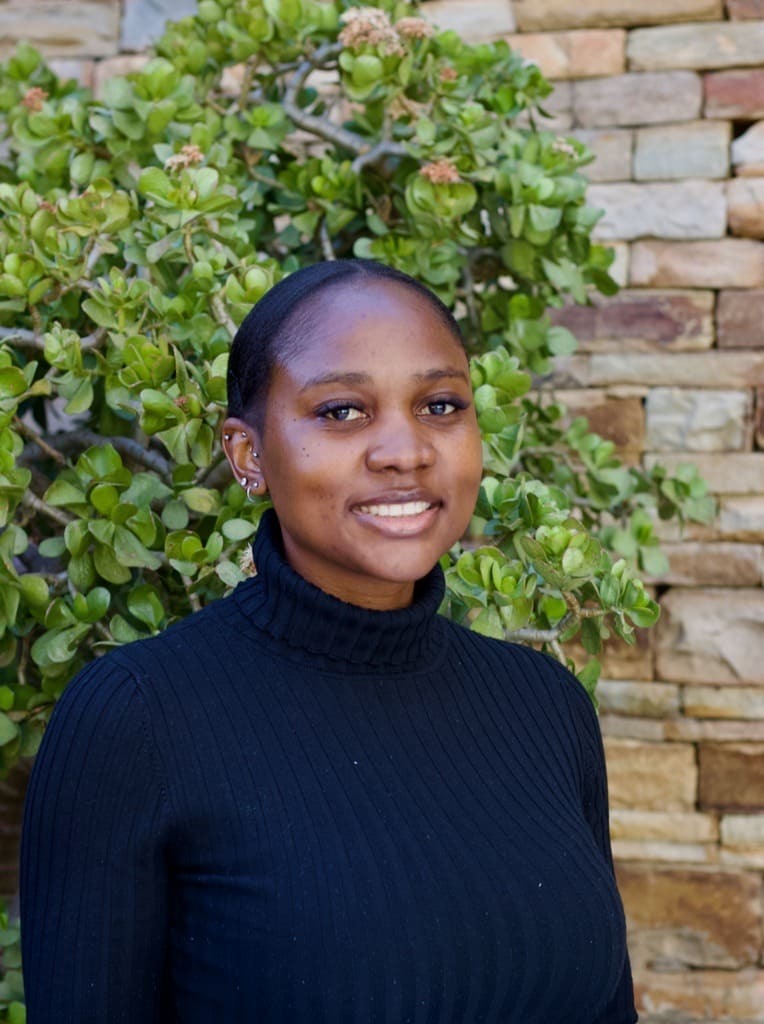
Martha Iyambo is a Research Consultant at MK Legal Consultancy (Pty) Ltd in South Africa and holds a BSc, BScH, and MSc from Rhodes University. As the lead researcher in MK Legal’s Research Department, she focuses on AI regulation, policy development, and ethical guidelines for responsible AI adoption. She is an active contributor to regional AI working groups and co-author of multiple publications in this field, she is committed to advancing Africa’s leadership in AI governance.
Individual Presentation (in Twi)
- 11:00 - 11:50 A.M. UTC
- 6:00 - 6:50 A.M. EST
Advancing Multilingual Education and Language Justice in Africa
Sub-theme #4: Educational Transformation
This session, led by Jemima Antwi, explores how multilingual education can bridge learning gaps and empower African students to succeed in both local and global contexts. Drawing on her experience leading the Wikimedians of Twi Language and promoting linguistic inclusion through digital platforms, Jemima will highlight the importance of integrating African languages into classroom instruction and online learning spaces. She will demonstrate how valuing mother tongues alongside global languages transforms education, preserves culture, and fosters inclusive development across Africa.
Jemima Antwi is a Ghanaian language advocate and leader of the Wikimedians of Twi Language. She promotes linguistic inclusion through digital projects that make knowledge accessible in African languages. With experience in multilingual education, cultural documentation, and digital literacy, she champions the use of local languages in education to bridge learning gaps and preserve Africa’s cultural identity.

Mother-Tongue Education and Language Justice: Policies and Realities
Sub-theme #4: Educational Transformation
Individual Presentation (in English)
- 12:00 - 12:50 P.M. UTC
- 7:00 - 7:50 A.M. EST
This session explores the intersection of language justice and education by examining the realities of mother-tongue education in Africa. It critically assesses how language policies align—or fail to align—with the practical implementation of multilingual education systems. It argues that genuine language justice can only be achieved when African languages are empowered as primary mediums of learning, fostering both academic success and cultural identity. The discussion calls for policy reform, equitable language planning, and community-driven approaches to language development.
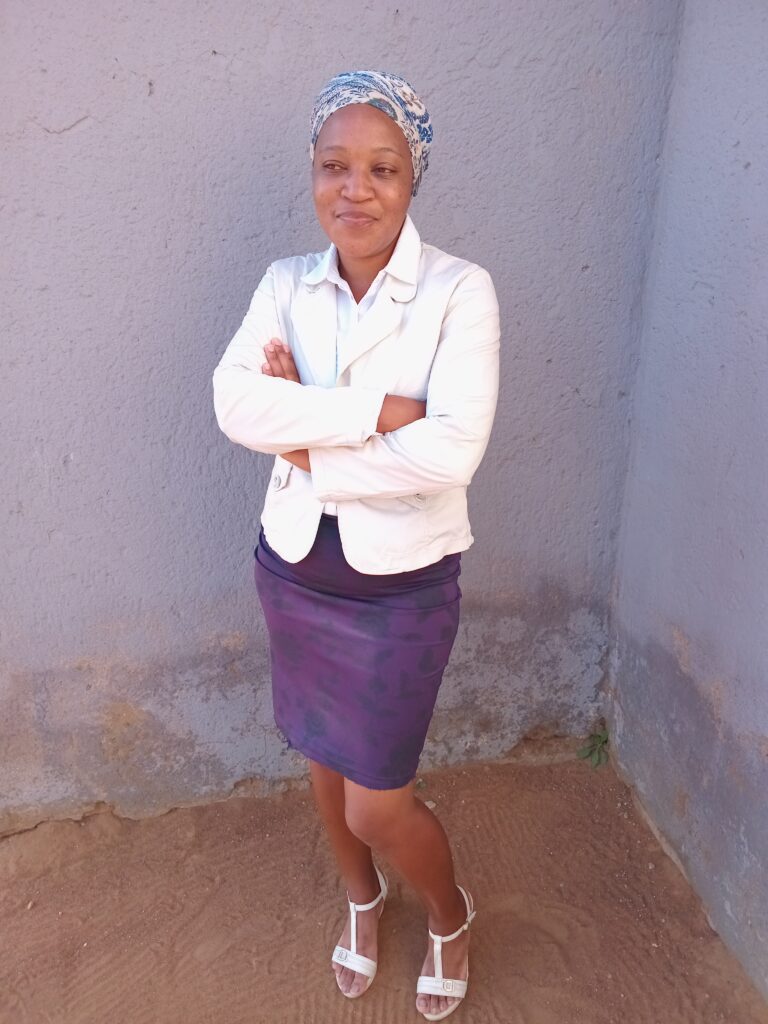
Matlala Rivonia Makwala is a lecturer in the Department of Applied Languages at Tshwane University of Technology. She holds a Master’s degree in Translation Studies and Linguistics, and her research interests include translation, sociolinguistics, lexicography, and language policy. Her current research focuses on mother-tongue education and language justice in Africa, examining how language use in education influences access, equity, and academic success.
Panel Discussion (in Yorùbá)
- 1:00 - 2:20 P.M. UTC
- 8:00 - 9:20 A.M. EST
Teaching Yorùbá, Reimagining Africa, Decolonizing Exchange: Fulbright FLTA Experience
Sub-theme #1: Language Rights
This panel draws on the experiences of Yorùbá teachers and policy advocates, specifically within transnational settings such as the Fulbright FLTA Program in the U.S. We critically reposition African languages, framing them beyond markers of cultural periphery to be recognized as dynamic vehicles of Indigenous knowledge, intellectual visibility, and cross-cultural exchange. Our goal is to reimagine Yorùbá language instruction as an instrument of language justice, diplomacy, and social transformation, highlighting how policy support for African language instruction is integral to educational equity and the social and economic development goals central to the continent’s linguistic futures.
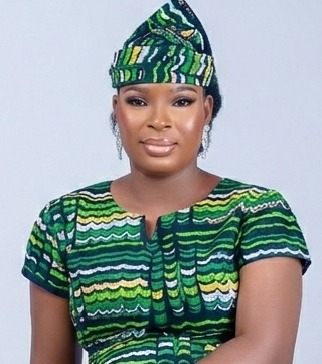
Folakemi Ayedun is a Nigerian educator, writer, and cultural advocate. As a Fulbright FLTA Alumna at the University of Georgia, she taught Yoruba and shared her heritage with a global community. Her writing on Medium explores feminism, culture, and self-growth, and she extends her creative voice through various social media platforms. Preparing for graduate studies in Anthropology or Women and Gender Studies, she hopes to amplify African feminist perspectives.
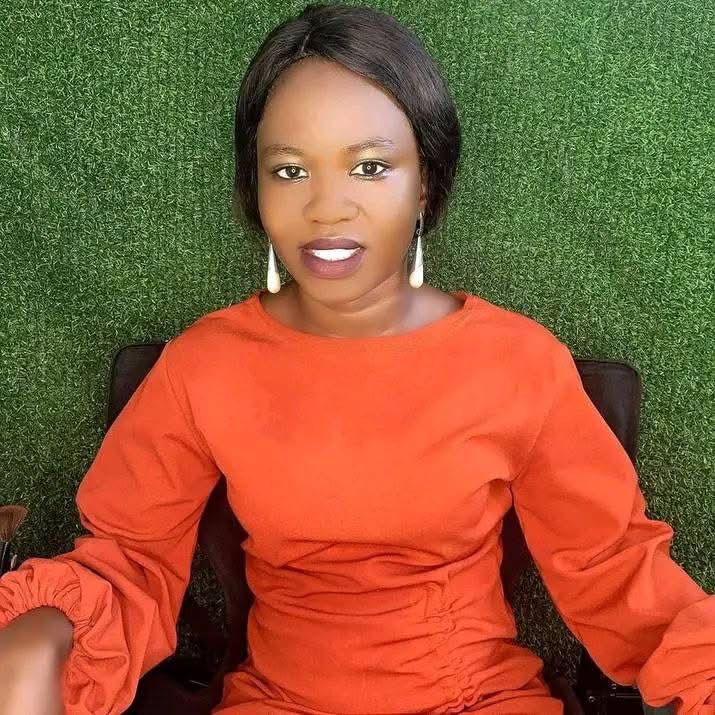
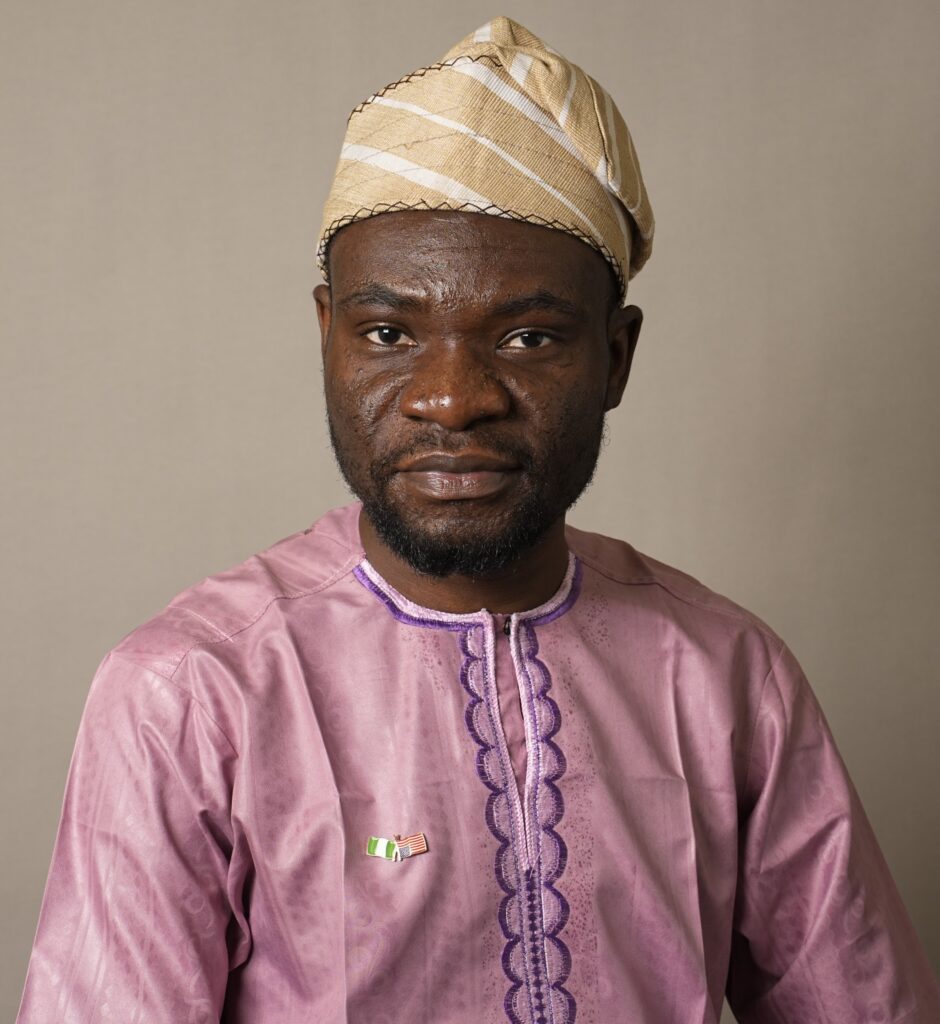
Johnson Adégbọlá is a language educator and policy advocate, and a Fulbright scholar who served as a Yorùbá Instructor and Cultural Ambassador at the University of Kansas, USA. He holds a B.A. Ed. in English Education and an M.A. in English Linguistics from Obafemi Awolowo University, Nigeria. He is currently in a PhD program in Anthropology at the University of Illinois Urbana-Champaign, USA, with research interests in Indigenous knowledge systems, postcolonial epistemologies, and transnational studies.
Temitope Osuntoki is a dedicated educator and passionate advocate for Yorùbá heritage. She holds a Bachelor and Master’s degree in Yoruba Language and Literature. With expertise in teaching language, literature, and cultural studies, she empowers students to connect with Yorùbá traditions through language and cultural immersion, fostering cross-cultural understanding and appreciation.
Language Justice in Practice: Governance, CSR, and Community Development
Sub-theme #1: Language Rights
Individual Presentation (in Gokana)
- 2:30 - 3:20 P.M. UTC
- 9:30 - 10:20 A.M. EST
This session explores how language justice can serve as a practical tool for inclusive governance, effective CSR, and sustainable community development in Africa. It examines how the use of African languages in public services, stakeholder engagement, and corporate–community relations enhances participation, accountability, and trust particularly in marginalized and resource-host communities. Drawing from field-based experience in Nigeria’s Niger Delta, the session connects policy aspirations with on-the-ground practice, demonstrating how linguistic inclusion strengthens social cohesion, supports local economic participation, and improves development outcomes.
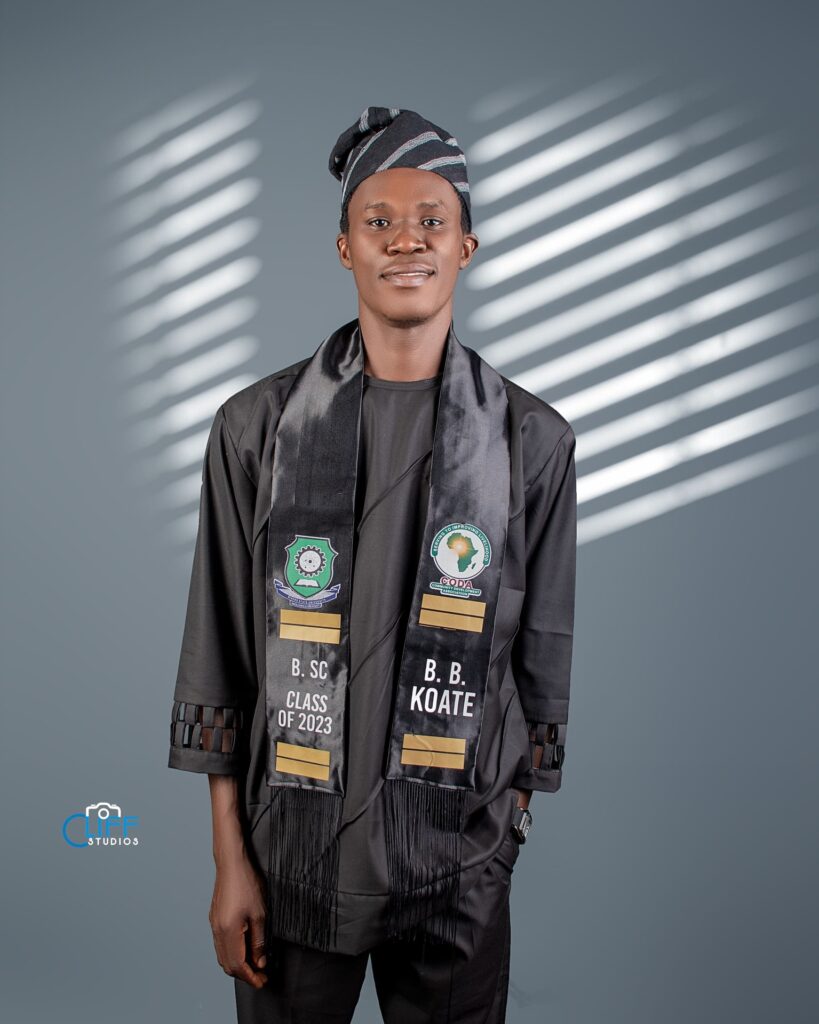
Barisitom Beate Koate is passionate about sustainability and CSR effectiveness in local communities, with over four years of experience in community development, stakeholder engagement, and social advocacy in Nigeria’s Niger Delta. Barisitom’s work focuses on inclusive governance, youth engagement, and policy dialogue, with growing interest in language justice as a tool for equitable development, economic participation, and effective community corporate relations in Africa.
Individual Presentation (in Cabo Verdean Kriolu)
- 3:30 - 4:20 P.M. UTC
- 10:30 - 11:20 A.M. EST
Influencing Kriolu: Diaspora Creators & Transnational Connections
Sub-theme #3: Digital Innovation and AI
This presentation explores how Cabo Verdean diaspora influencers use Kriolu to build borderless, transnational communities online. Using digital ethnography, it examines content on TikTok, Instagram, and YouTube, highlighting how influencers mix Kriolu, Portuguese, and English to engage audiences, sustain cultural ties, and normalize the language globally. Findings show influencer-driven content amplifies Kriolu’s visibility and reshapes Cabo Verdean identity, fostering inclusive digital belonging.
Miriam Dembo
Miriam Dembo is a PhD candidate in the University of Leicester programme researching how African diaspora youth use digital technologies to reimagine cultural development. Her work spans digital ethnography, decolonial theory, and cultural citizenship. She holds an MA in Cultural Policy, Relations and Diplomacy from Goldsmiths and has led heritage and youth initiatives as a former Cape Verdean Association UK Board Director.
African Typography as Digital Infrastructure: Advancing Language Preservation, Literacy, and Inclusion
Keynote Address sponsored by SILICON at Stanford University
Keynote Address (in English)
- 4:30 - 5:20 P.M. UTC
- 11:30 A.M. - 12:20 P.M. EST
Typography is often understood as a visual layer of communication, yet for many African languages it functions as something more fundamental: digital infrastructure. Before a language can be taught, published, searched, or used in digital services, it must be supported by systems of scripts, encoding standards, fonts, and input tools that allow it to exist across platforms.
Speaking from the perspective of a contemporary African type designer working primarily with Latin-based African languages, this keynote reflects on the practical challenges and discoveries that emerge when trying to make languages “work” in digital spaces. It examines the hidden “language stack” behind everyday technologies — from keyboards and operating systems to apps, websites, and online platforms — and highlights where African languages are most often compromised or excluded.
By framing typography as a form of shared digital infrastructure rather than purely visual expression, the session invites designers, linguists, technologists, educators, and institutions into a collaborative conversation about how African languages can be more meaningfully supported, preserved, and empowered in the digital future.

Chisaokwu Joboson is a Nigerian type designer and brand designer whose work explores typography as cultural and digital infrastructure for African languages. He is the founder of Udi Foundry, an independent type foundry dedicated to creating contemporary typefaces rooted in African visual and linguistic systems. Through his work and community initiatives such as TypeAfrika, Chisaokwu advocates for greater representation of African languages in global digital spaces. His practice sits at the intersection of design, language justice, and technology, focusing on how typographic systems shape access, literacy, and cultural belonging online.
Individual Presentation (in Igbo)
- 5:30 - 6:20 P.M. UTC
- 12:30 - 1:20 P.M. EST
Why Linguists are the Essential Guardrails for African AI
Sub-theme #3: Digital Innovation and AI
As Generative AI becomes part of Africa’s digital infrastructure, a critical gap has emerged: the “Semantic Collapse” of tonal languages. Standard AI models often strip the tonal markers that define meaning in languages like Igbo, leading to tone-deaf translations that are culturally hollow and potentially dangerous in sectors like healthcare. This session argues that solving this requires linguistic experts. Drawing from Tonative Research’s validation of over 51,000 entries, Chinenye will demonstrate how human-in-the-loop validation repairs literalisms and “Engli-Igbo” hallucinations. The session discusses why the linguist’s role is shifting to become the essential architect of accuracy for the AI era.
Chinenye Anikwenze is a Software Engineer and Researcher at Tonative Research, specializing in language infrastructure for low-resource environments. Her work focuses on the systemic failure of NLP models to process tonal languages accurately. She contributed to the validation of 51,000+ human-verified datasets across eight African languages to improve model accuracy. Chinenye bridges the gap between AI safety and cultural preservation to ensure digital sovereignty.
Nsibidi Modernism: Innovation, Integration and Industry
Sub-theme #1: Language Rights
Workshop (in English)
- 6:30 - 7:20 P.M. UTC
- 1:30 - 2:20 P.M. EST
Using the growing popularity of Nsibidi, this presentation and workshop hopes to show the use of a logographic system in teaching, learning, training and preserving African languages. Through a new and engaging system of learning, Nsibidi can provide jobs through native language learning interest, bridge the diaspora to reconnect to Africa, globalize African cultures abroad and create industry for Nsibidi signs to be celebrated through fashion, technology, tourism and education.

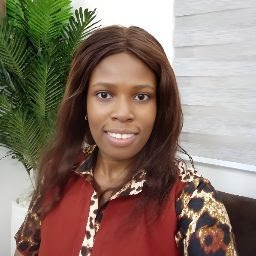
Jordan Williams is a researcher and passionate lexicographer specializing in the nsibidi script and its diaspora, both in Africa and among communities taken from the continent during the transatlantic slave trade.
February 28
Jaŋde renndo: Janngude e winndude e ɗemɗe men - Community Literacy: Reading and Writing in Our Own Languages
Sub-theme #4: Educational Transformation
Panel Discussion (in Pulaar/Fulfulde)
- 8:30 - 9:50 A.M. UTC
- 3:30 - 4:50 A.M. EST
Drawing on the joint experience of Fulbe Africa and Jaabiire Initiative, this session explores how community-driven literacy initiatives in African languages can transform learning outcomes and strengthen cultural identity. It examines programs teaching young people and adults to read and write in their mother tongues, including online Fulfulde literacy programs that have reached hundreds of learners. The session demonstrates how mother-tongue literacy promotes inclusion, supports marginalized groups such as nomadic communities, and lays the foundation for multilingual education systems that serve all learners.
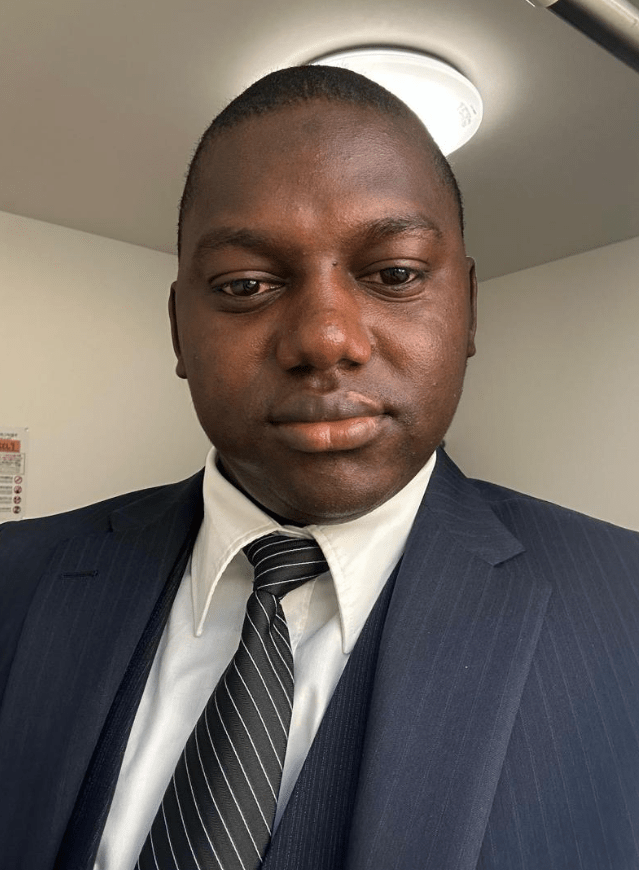
Mamat Saidou Baldeh is a Gambian professional specializing in public finance management, education, and social development. He has served as a government internal auditor and led the Internal Audit Unit of the Ministry of Gender, Children & Social Welfare. Baldeh holds an MBA in Accounting and Finance from Ritsumeikan Asia Pacific University in Japan, awarded through the Japan Africa Dream Scholarship by the African Development Bank, and a Bachelor of Science (Hons) in Accountancy from the University of The Gambia. In 2024, he received the Best Speaker Prize at the Japan Youth Summit. As Networking and Partnership Manager of Jaabiire Initiative, Baldeh advocates for education, African languages and culture, campaigns against harmful cultural practices, and promotes literacy as a tool for sustainable development.
Juma Bah
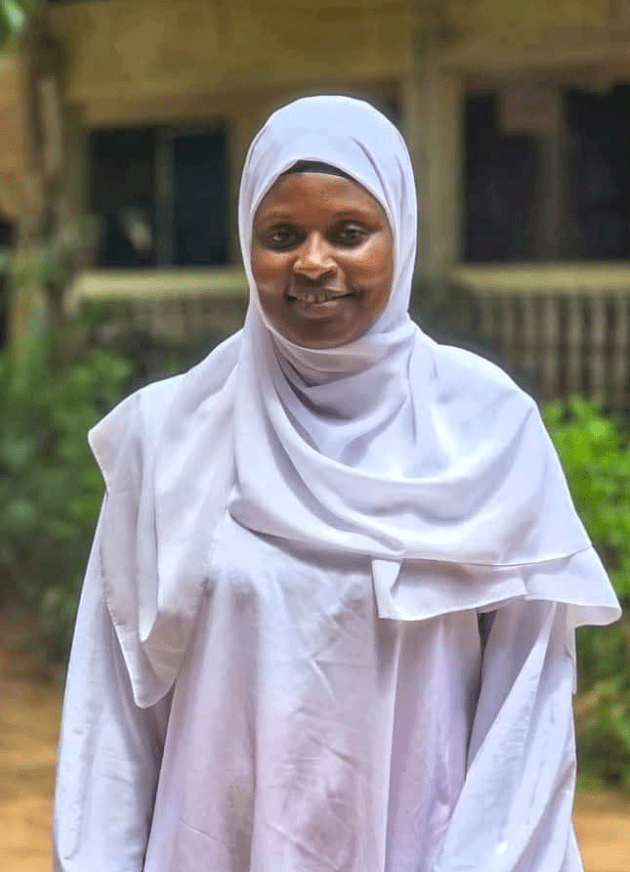
Juma Bah is a dedicated Gambian educator with extensive teaching experience across lower basic, basic cycle, and senior secondary levels. She holds an Advanced Diploma in Education and a Primary Teaching Certificate from Gambia College. Currently teaching at Ndungu Kebbeh Upper & Senior Secondary School, she is responsible for lesson preparation, classroom instruction, student assessment, and student monitoring. Juma has expertise in national language education, particularly Pulaar and Wolof, and has received formal training from the Ministry of Basic and Secondary Education. Beyond the classroom, she serves as Education Secretary of the Fulbe Africa Association, teaches Pulaar language, and actively promotes student engagement through clubs and cultural activities.
Aliou Ball
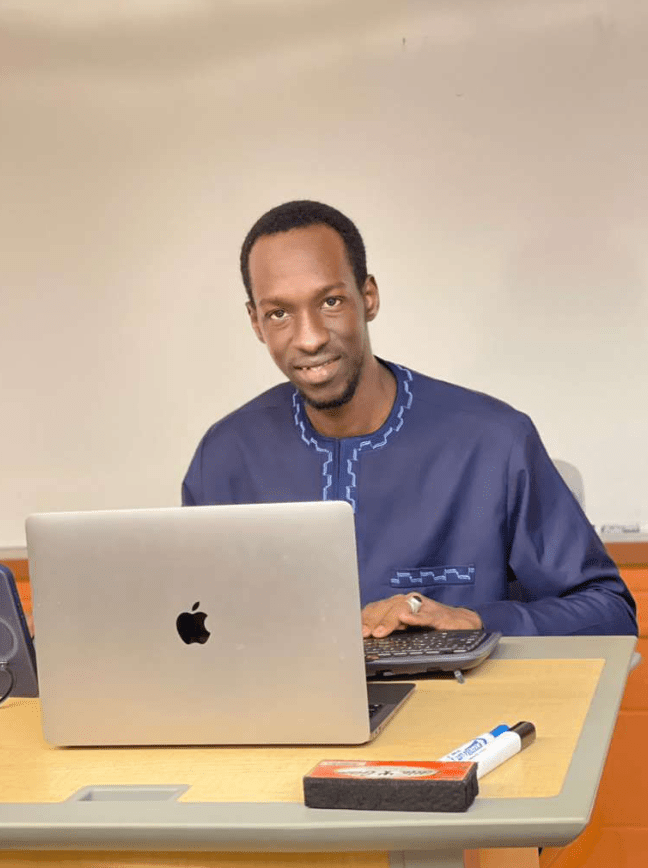
Aliou Ball serves as the Mali Country Coordinator and Fulfulde Coordinator at Jaabiire, leading the online Fulfulde teaching program. He holds a master’s degree in Translation Studies from Université Yambo Ouologuem Bamako and is currently a Fulbright student pursuing an MA in Cross-Cultural and International Education. His research focuses on translation into African languages, with particular emphasis on Fulfulde, education, culture, and development.
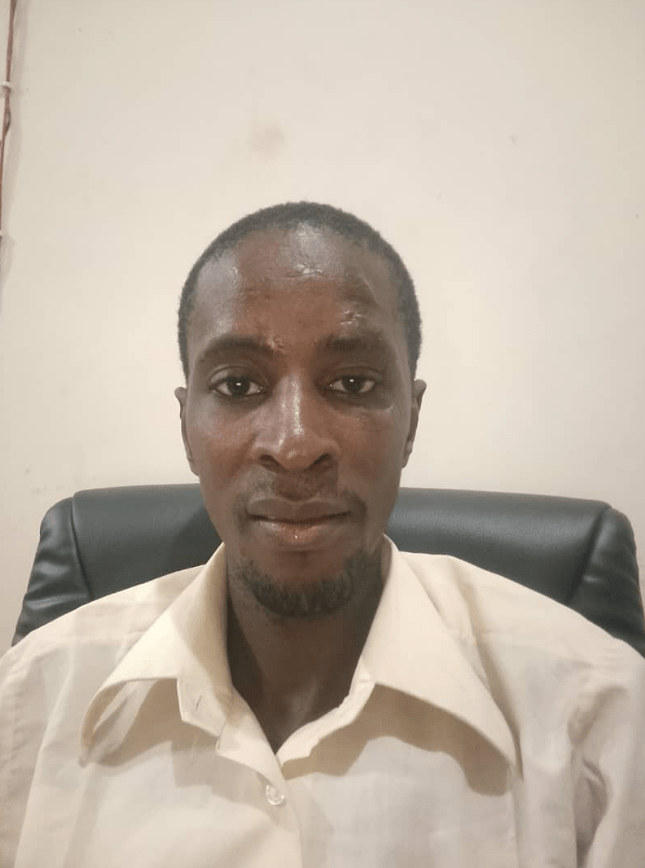
Saikou Omar Khan is a dedicated professional with a strong background in education, youth leadership, and interpretation services. A teacher by profession, he has experience coordinating youth programs, supporting public health communication as a medical interpreter, and leading community development initiatives. He currently serves as Assistant Education Minister of the Fulbe Africa Association and Treasurer of the URR Regional Youth Committee, contributing to youth empowerment, educational development, and community organization. Khan is known for strong leadership, communication, and organizational skills, with a deep commitment to social development and inclusive progress.
Individual Presentation (in English)
- 10:00 - 10:50 A.M. UTC
- 5:00 - 5:50 A.M. EST
An Analysis of Idiom Translation Strategies in Children Literature
Sub-theme #4: Educational Transformation
This research paper presentation shares findings and practical takeaways on translation in African languages. It begins with the introduction and rationale of the study, followed by a review of literature and the theoretical framework. The methodology section focuses on how data was collected, followed by presentation and analysis of the data. The presentation concludes with implications of the study and opens for audience engagement to discuss recommendations for further research.
Promises Themane is a South African from the city of Polokwane. She holds a Master’s degree in Translation from WITS University, with research titled “The Translation of Culture-Specific Items in Children’s Literature from English into Sepedi.” She presented her paper at the International Conference on Literary Studies at Tongji University, China. Themane is a translator and transcriber for Funda Wande, an organization that focuses on children learning to read and write.

Language Justice and the Future of Africa
Sub-theme #2: Economic Growth
Individual Presentation (in Mandinka)
- 11:00 - 11:50 A.M. UTC
- 6:00 - 6:50 A.M. EST
This session explores how African languages can shape the future of digital innovation and AI. It highlights practical strategies for developing localized technologies such as translation tools, digital literacy resources, and community-driven datasets that reflect African knowledge and culture. Participants will learn how language inclusion strengthens accessibility, supports economic growth, and empowers communities. The session also shares lessons from Wikimedia, StoryWeaver, and grassroots initiatives promoting African-language digital content.
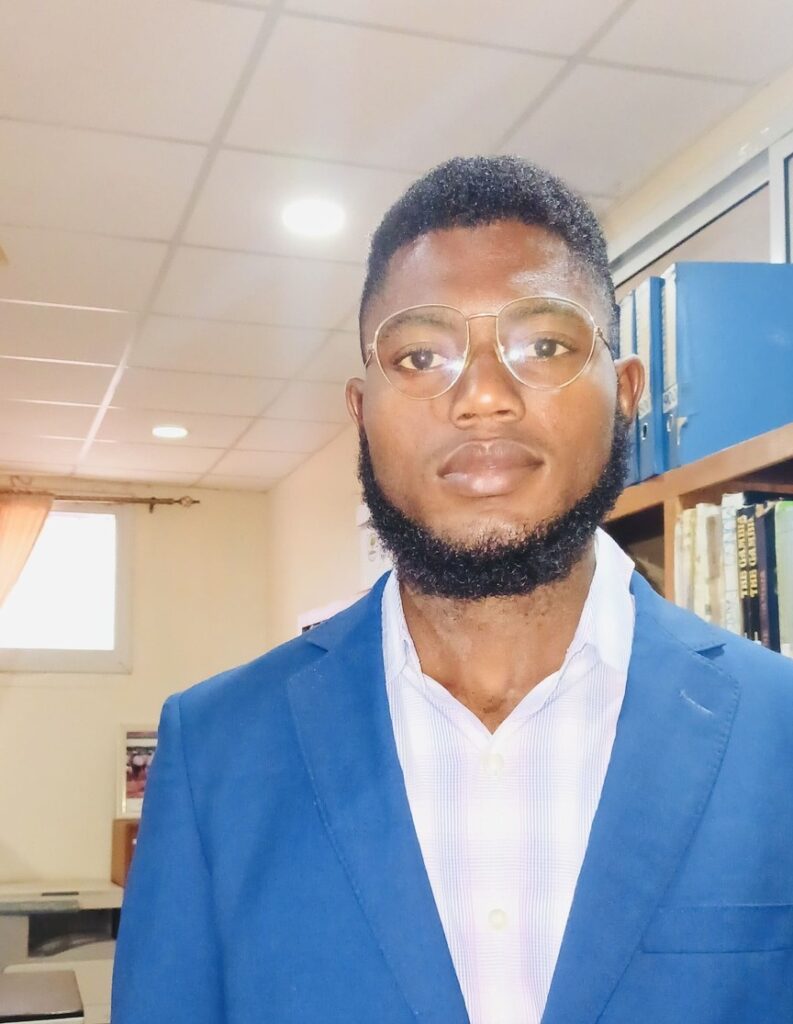
Modou ML Jallow is a Gambian librarian and Information Science student focused on digital literacy, Indigenous knowledge, and language access. A StoryWeaver and Wikimedia contributor, he has translated Wolof children’s books and supports open knowledge initiatives. He also founded Smooth Gambia, promoting community empowerment through local food systems.
Individual Presentation (in Duálá)
- 12:00 - 12:50 P.M. UTC
- 7:00 - 7:50 A.M. EST
Artificial Intelligence and Translation/Interpreting in Duálá
Sub-theme #3: Digital Innovation and AI
The advent of Artificial Intelligence (AI) has sparked controversy among economists, political decision makers, and business managers. In Africa, the Government AI Readiness Index 2023 by Oxford Insights shows the growing interest of African countries in AI. In Cameroon, the National Artificial Intelligence Strategy (SNIA) was officially launched on July 7th, 2025. Drawing on documentary research, sampling, and interviews, this study investigates the impact of AI on translation in Duálá. It explores how AI presents an opportunity to develop translation in Duálá through the digitalization of existing data.
Anemone LOKO BILLE, PhD is a senior translator. Her language combination include French-English-German-Duálá. Her PhD in translation studies thesis, from the Protestant University of Central Africa, is titled: ‘’Science and Technology knowledge transfer in Duálá through intersemiotic translation: Case study of the primary school in Wouri division’’.
AI and Data Science Applications in African Languages
Sub-theme #3: Digital Innovation and AI
Individual Presentation/Workshop (in English)
- 1:00 - 1:50 P.M. UTC
- 8:00 - 8:50 A.M. EST
African heritage and culture embody rich histories, languages, arts, and Indigenous knowledge systems that are increasingly threatened by globalization and the loss of oral traditions. Preserving the Past, Powering the FutureThis work examines the application of artificial intelligence and data science in digitizing cultural artifacts, documenting endangered languages, analyzing historical records, and preserving oral histories through intelligent archiving and pattern recognition. By integrating ethical frameworks, community participation, and culturally responsive AI design, the study emphasizes the importance of protecting data sovereignty and respecting Indigenous knowledge systems.

Dr. Sree Ganesh Thottempudi
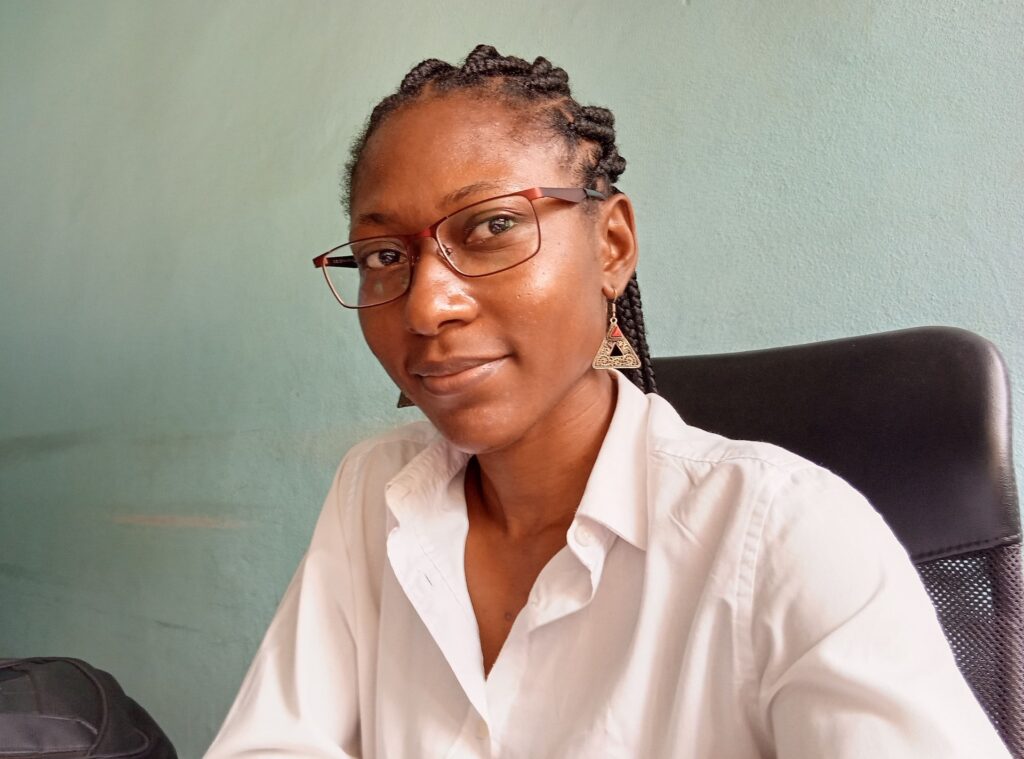
Dr. Sree Ganesh Thottempudi specializes in Natural Language Processing and is a Data Science professor. His expertise lies in the development of natural language processing tools for under-resourced languages, as well as in applying digital humanities to ancient heritage and culture. He has led four European Union projects and contributed to two South African government initiatives. Furthermore, he has participated in research and development projects with Tesla, TeamViewer, and Bosch.
Individual Presentation (in Igbo)
- 2:00 - 2:50 P.M. UTC
- 9:00 - 9:50 A.M. EST
Open and Accessible Digital Repositories for African Languages
Sub-theme #3: Digital Innovation and AI
This session explores how digital repositories can preserve and strengthen African languages through open, accessible, and community-owned archives. It highlights practical approaches for documenting vocabulary, oral histories, cultural knowledge, and heritage using open-source tools and collaborative projects like Wikipedia, Wikidata, and Wikimedia Commons. Participants will learn how community-led data collection, multilingual digitization, and inclusive governance support language justice, educational access, and AI development, emphasizing sustainability, local ownership, and the role of youth and technology in Africa’s linguistic future.
Chinonso Chidi is a Medical Laboratory Scientist, Wikimedian, and advocate for cultural and Indigenous language preservation. He is dedicated to promoting free and open knowledge, with a strong focus on the Igbo language, and African heritage representation. He’s a Wikipedia administrator, software developer, and programs manager with the Igbo Wikimedians User Group.

Indigenous Syntactic Structures and Educational Development in Òkè Àgbè (Ondo State, Nigeria)
Sub-theme #4: Educational Transformation
Individual Presentation (in Yorùbá)
- 3:00 - 3:50 P.M. UTC
- 10:00 - 10:50 A.M. EST
This study examines the role of Indigenous syntactic structures in promoting educational development through a comparative analysis of Àfá, Ògè, Ìdó, and Àjé, spoken in Òkè Àgbè, Akoko North West, Ondo State, Nigeria. Using Descriptive and Minimalist frameworks, it analyzes clause structure, tense-aspect marking, and question formation based on data from native speakers. Findings reveal systematic regularities that reflect speakers’ cognition and communication. The study argues that incorporating indigenous syntactic knowledge into education enhances comprehension, preserves linguistic heritage, and fosters inclusive learning.

Babatunde Abdullahi is a prospective doctoral student at the Department of Linguistics, University of Kansas, USA. He has developed a strong passion for languages and their ties to culture. His academic journey at Ekiti State University, Nigeria, where he graduated in the top 1% of his class, demonstrates his deep commitment to understanding the structures that shape human language.