The on-site conference will take place at the ISSER Conference Hall, Legon, Accra, Ghana from February 23 to 24, 2026. The event will also be live-streamed on Zoom, and the AFLC YouTube and Facebook platforms, and interpretation will be provided.
February 23
Registration and Networking
- 8:00 - 8:50 A.M. UTC
- 3:00 - 3:50 A.M. EST
Opening Ceremony
- 9:00 - 9:45 A.M. UTC
- 4:00 - 4:45 A.M. EST
- Welcome Address by the MC, Rahma Nsekela
- AFLC Address by Directors & Co-founders, Avishta Seeras & Ady Namaran Coulibaly
- UEW Address by Prof. Kwasi Adomako
- Cultural Performance by the Ahwehwe Youth Dance Ensemble
From Margins to Mainstream: The State & Future of Ghana's Indigenous Languages
Keynote Address by the University of Education, Winneba (in Akan)
- 9:50 - 10:20 A.M. UTC
- 4:50 - 5:20 A.M. EST
This keynote traces the journey of Indigenous languages in Ghana, from their rich precolonial history to their present situation. It shows how these languages once anchored governance, education, trade, and cultural life, before their roles were reshaped by the arrival of European languages. During the colonial era, English emerged as the language of power and opportunity, while Indigenous languages were increasingly sidelined. Focusing on three key domains of use, namely schools, homes, and sociocultural ceremonies, the keynote examines how these languages are faring today. It highlights that, although they remain strong in many traditional settings, they face serious challenges in education, intergenerational transmission, and adaptation to digital platforms. To support their future, the keynote calls for stronger language policies, education reform, technology integration, and active community engagement so that Indigenous languages can continue to thrive.
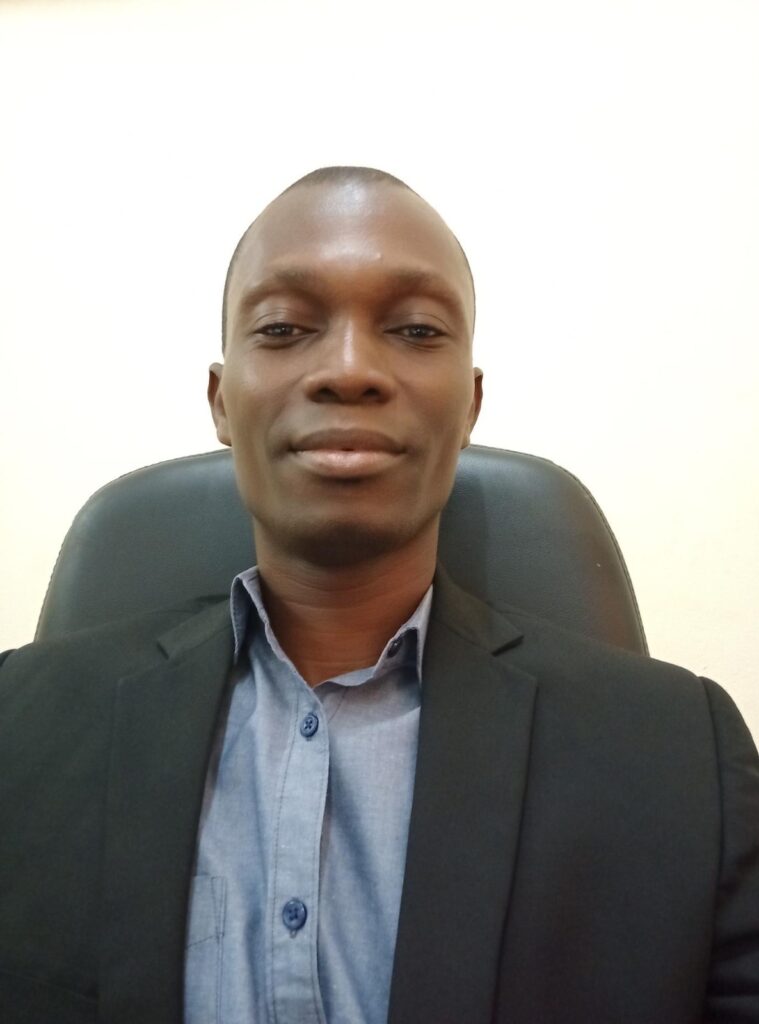
Prof. Kwasi Adomako is an Associate Professor of Linguistics and Akan at the University of Education, Winneba, Ghana. He holds a PhD in Linguistics from the University of Ghana, Legon, and an MPhil in Theoretical Linguistics from the University of Tromsø, Norway. His research focuses on phonetics, phonology, and morphology of Kwa languages, with additional interests in language and culture, media language use, and field linguistics. With over 16 years of experience in higher education, he has contributed to Ghanaian language curriculum development and policy. He currently serves as Vice-Dean of the Faculty of Ghanaian Languages Education.
Sɛdeɛ yɛn Amammerɛ boa Ɔman no Sikasɛm: Yɛn Kasa ne Amammerɛ, yɛn agyapadeɛ ne yɛn dwatire
Cultural Economy: Language as Heritage and Economic Asset
Delivered by our Distinguished Guest from the University of Ghana
- 10:25 - 10:55 A.M. UTC
- 5:25 - 5:55 A.M. EST
Kasa ne Amammerɛ yɛ nkorabata baako a ɛno nso boa ɔman sikasɛm pa ara. Ɛnyɛ nkutaho nkutoo, na mmom ɛyɛ agyapadeɛ, dwatire ne adwatɔnneɛ kɛseɛ a yɛdi ho dwa wɔ wiase afanaa nyinaa adwaman so. Kasa di akoten wɔ dwumadie biara mu. Ɛno nti na sɛ obi nte kasa bi a ɔhyɛda tua ho sika sua. Saa nso na afoforɔ hyɛda tua sika kɔsua anaasɛ wɔkɔhwɛ afoforɔ amammerɛ. Saa akwanya weinom ne nkaeɛ bi na ɛboa ma saa nnipakuo no sikasɛm tu mpɔn no. Saa nti na yɛka sɛ kasa ne amammerɛ nso boa sikasɛm mpuntuo pa ara
The concept of cultural economy refers to the intersection between culture and economic production. It recognizes that culture is not only symbolic and social but also capable of generating tangible economic values. Cultural products such as art, music, literature, festivals, film, and language contribute significantly to national and global economies. (UNESCO, 2013).
Traditionally, economic analysis focused on material production; however, contemporary scholarship acknowledges that intangible cultural assets, including language, heritage, and identity, are central to economic development (Scott, 2014). In this framework, language moves beyond communication to become a resource, commodity, and form of capital within the global knowledge economy.
From Heritage to Economic Resource, our language has long been valued for cultural reasons, recent scholarship highlights its economic significance. Language contributes to economic growth through industries such as tourism, media and entertainment, publishing and translation, education, technology and localization, etc. These sectors amongst others demonstrate how language can be transformed into economic capital.
Language, therefore can be recognized as both heritage and economic capital. As a cultural resource, it preserves identity and knowledge. As an economic asset, it drives industries, innovation, and globalization.
Understanding language within the cultural economy, in addition, enables policymakers, scholars, and cultural practitioners to develop strategies that balance preservation and commercialization.
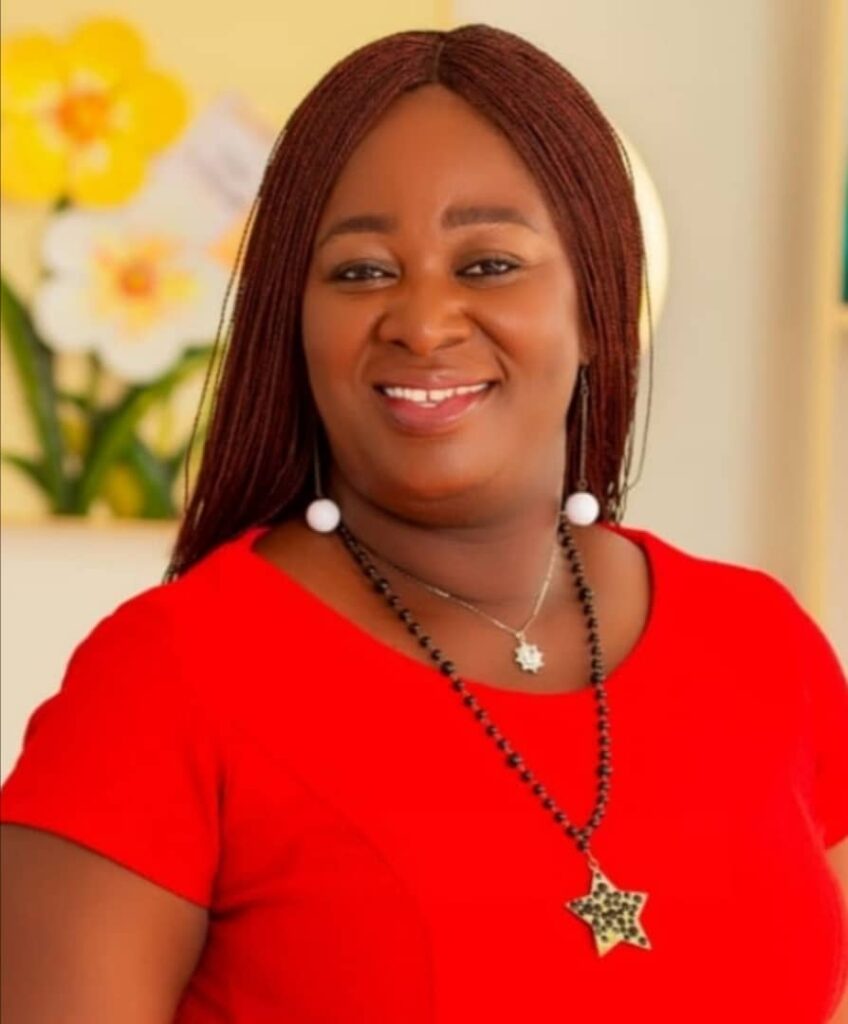
Dr Nana Anima Wiafe-Akenten is a language, culture, media, and communication expert, widely known as the first person to write a PhD thesis in Twi (Akan). She lectures at the University of Media, Arts and Communication (UniMAC) and is an adjunct lecturer at the University of Ghana’s School of Performing Arts; she previously headed the Akan-Nzema and Interdisciplinary Studies departments at the University of Education, Winneba. With over fifteen years of university teaching and extensive experience in radio and television, she works at the intersection of linguistics, cultural studies, media analysis, and communication skills in both English and Akan. As founder and CEO of the Language Watch Foundation, she trains media and communication professionals on effective, ethical language use and promotes the idea that words are powerful tools that shape public life.
Panel Discussion: Language Rights
- 11:00 A.M. - 12:30 P.M. UTC
- 6:00 - 7:30 A.M. EST
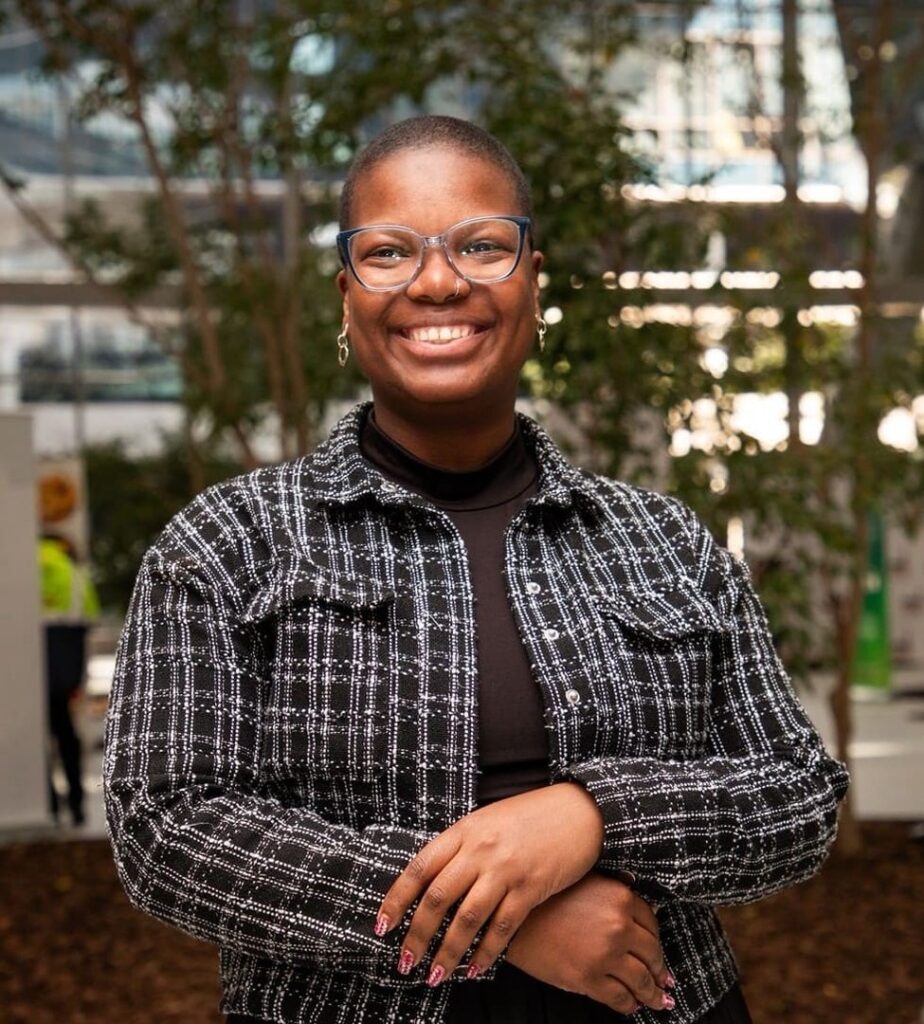
Siwaphiwe Sibeko (Moderator)
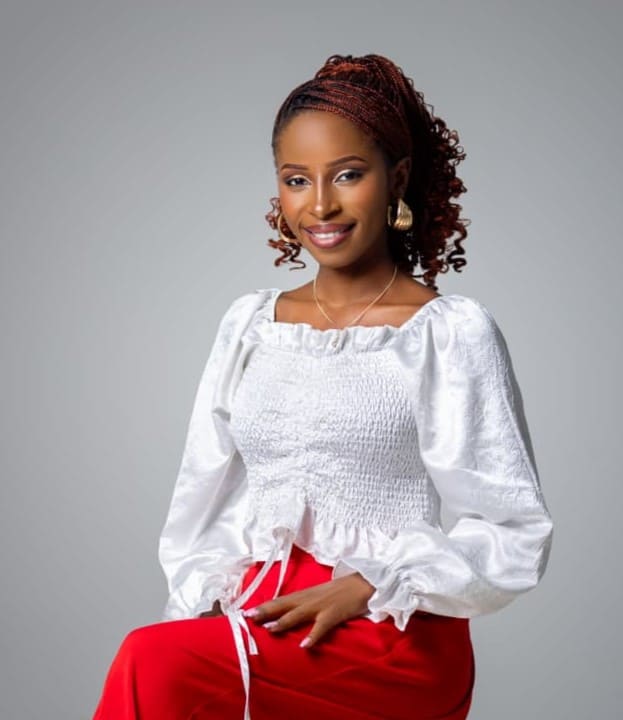
Siwaphiwe Sibeko is a linguistics and literacy scholar who is passionate about multilingual and early literacy learning, with a focus on African languages. She works with educators and communities to create inclusive, language-rich spaces where young learners can thrive. She also supports equitable access to foundational literacy and numeracy, helping children use their home languages as a bridge to learning and fostering a love of language in diverse classrooms.
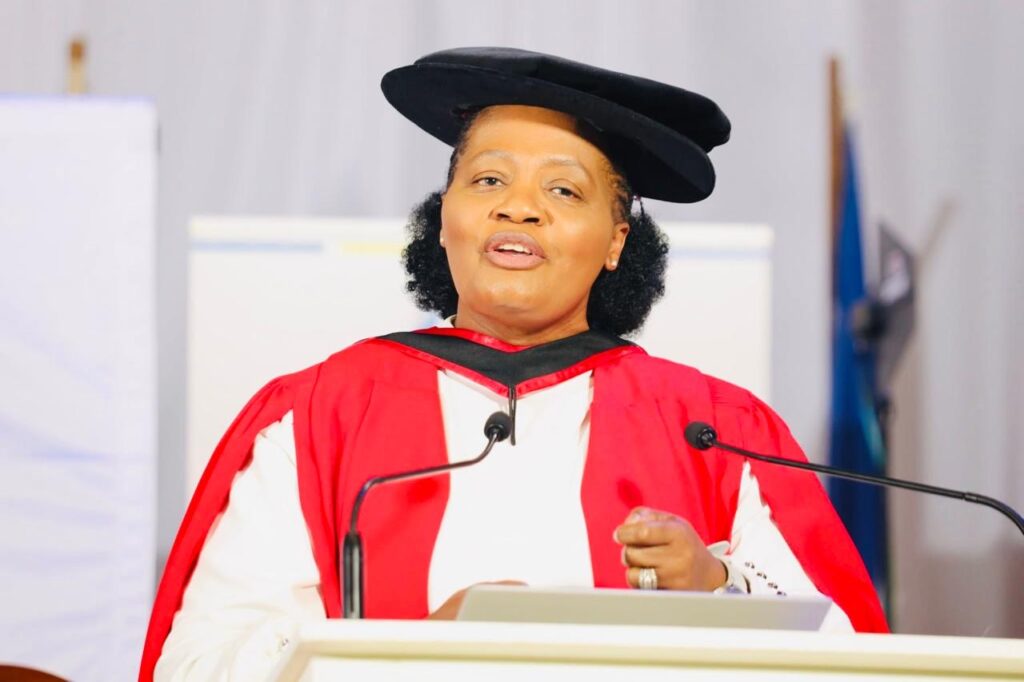
Dr. Mbude-Mehana is the Deputy Director-General: Special Projects, Language and Transformation at the South African Department of Basic Education. A qualified Science teacher and a Rhodes University PhD graduate, she has extensive experience in the Eastern Cape education sector, where she rose to the position of Head of Department. She pioneered the Mother Tongue-based Bilingual Education (MTbBE) programme and established South Africa’s first Language Policy Unit to address language barriers and advance educational transformation. She is a recognised scholar and has published widely on basic education reform in South Africa.
Dr Pascal Kpodo is a Senior Lecturer in Ewe Language and Linguistics in the Department of Ewe Education at the University of Education, Winneba, where he also obtained his PhD in Applied Linguistics. A former Head of Department, he currently serves as Coordinator of Postgraduate Studies in the Faculty of Ghanaian Languages Education at the College of Languages Education, Ajumako. His research interests span sociolinguistics, literature, and creative writing.
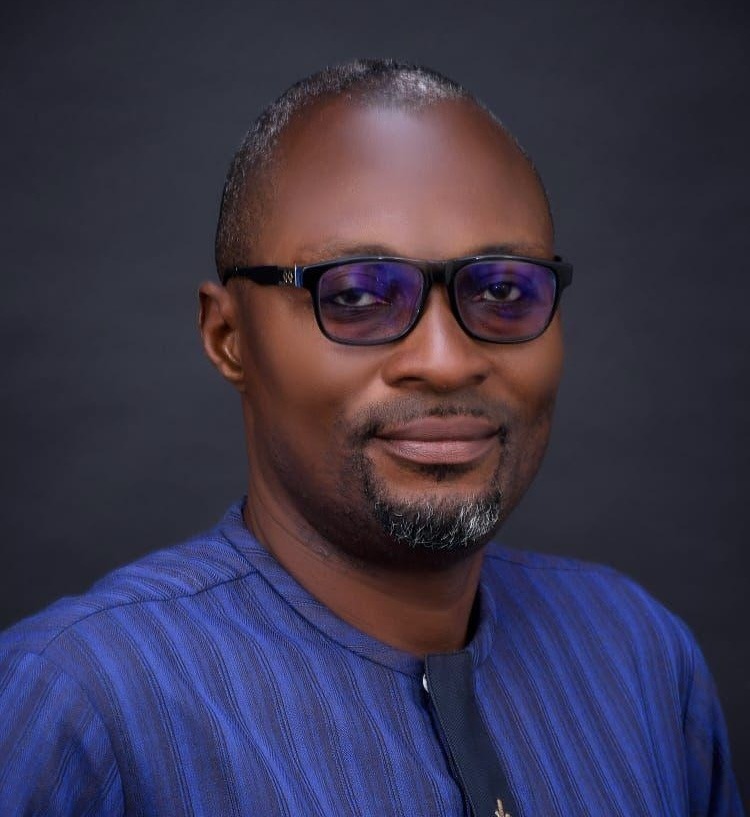
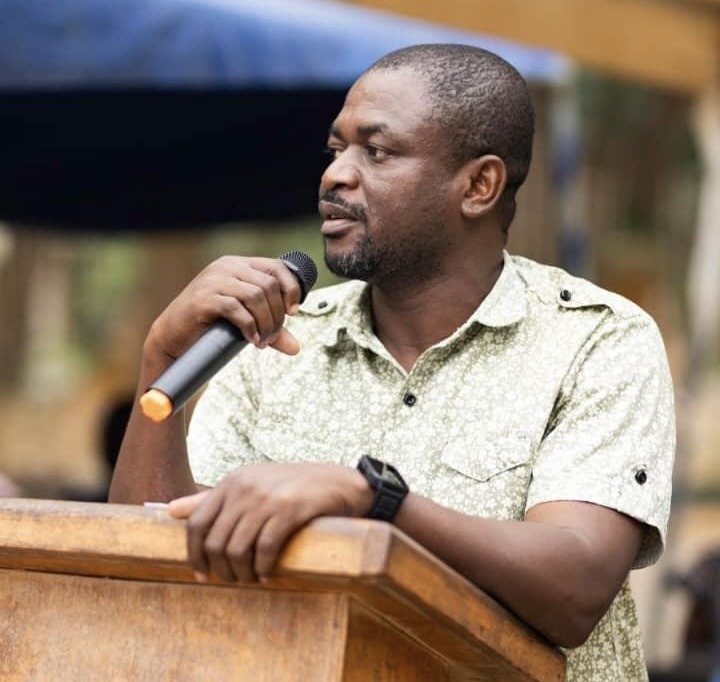
Dr. Acheampong Samuel Owoahene is a Lecturer in the Faculty of Ghanaian Languages Education at the University of Education, Winneba. He holds a PhD in Linguistics from Goethe University Frankfurt, an MPhil in Applied Linguistics from UEW, and a B.Ed. Arts (English major) from the University of Cape Coast. A professional teacher since 2003, he has taught at primary, JHS, senior high, and college of education levels. He specializes in syntax, morphology, and the analysis of African languages, particularly Mabia languages such as Likpakpaanl, and served on the Likpakpaanl Language Development Committee, contributing to its orthography. His work links linguistic research, language development, and multilingual education policy, with a focus on linguistic justice, social equity, and educational access in Ghana.
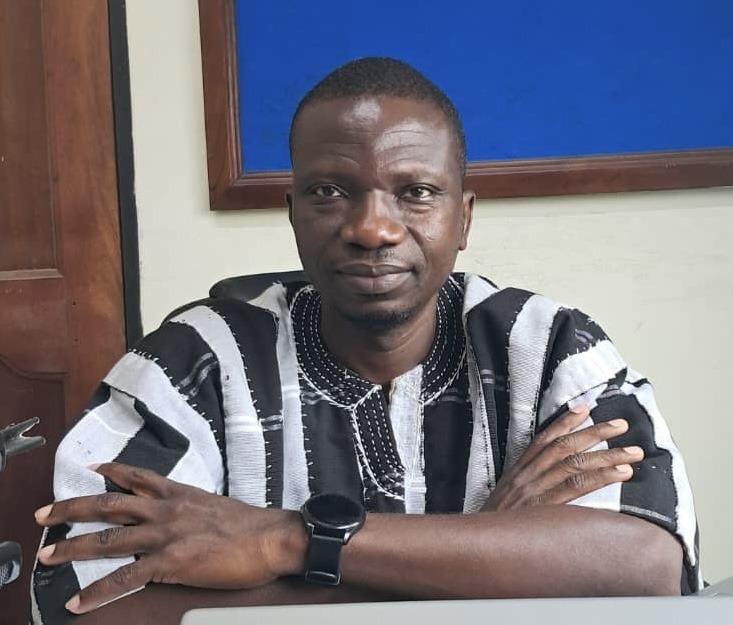
Dr. Abraham Kwesi Bisilki holds a PhD in Linguistics from The University of Hong Kong and is an Associate Professor in the Department of Applied Linguistics at the University of Education, Winneba. He has over a decade of teaching and research experience in the language sciences, with broad interests in general linguistics and sociolinguistics.
Joint Announcement of New AFLC-SILICON Collaboration
- 12:30 - 12:40 P.M. UTC
- 7:30 - 7:40 A.M. EST
Announcement by Avishta Seeras & Ady Namaran Coulibaly (AFLC) & Audrey Gao (SILICON at Stanford University)
Lunch & Networking
- 12:40 - 2:10 P.M. UTC
- 7:40 - 9:10 A.M. EST

Add Your Heading Text Here
Avishta Seeras
Lorem ipsum dolor sit amet, consectetur adipiscing elit. Ut elit tellus, luctus nec ullamcorper mattis, pulvinar dapibus leo.
Add Your Heading Text Here
Lorem ipsum dolor sit amet, consectetur adipiscing elit. Ut elit tellus, luctus nec ullamcorper mattis, pulvinar dapibus leo.
Lorem ipsum dolor sit amet, consectetur adipiscing elit. Ut elit tellus, luctus nec ullamcorper mattis, pulvinar dapibus leo.
Individual Presentation (in isiXhosa)
- 2:10 - 2:50 P.M. UTC
- 9:10 - 9:50 A.M. EST
Language, the Elephant in African Classrooms, Addressed by MTBBE
Sub-theme #4: Educational Transformation
Language remains the “elephant” in African classrooms, determining who attains knowledge, participates confidently, and who is marginalized. Despite most South African children acquiring African languages at home, English predominates early schooling, constraining comprehension and learning. In 2024, South Africa introduced the Mother Tongue-Based Bilingual Education (MTBBE) programme to enhance early learning outcomes from 2025. Thus, this presentation examines MTBBE’s potential to expand access, conceptualizing African languages as cognitive, cultural, and identity-affirming resources. Drawing on multilingual pedagogy and epistemic justice, it highlights resources enabling language learning.
Siwaphiwe Sibeko is a linguistics and literacy scholar who is passionate about multilingual and early literacy learning, with a focus on African languages. She works with educators and communities to create inclusive, language-rich spaces where young learners can thrive. She also supports equitable access to foundational literacy and numeracy, helping children use their home languages as a bridge to learning and fostering a love of language in diverse classrooms.
Dr. Naledi Mbude-Mehana
Dr. Mbude-Mehana is the Deputy Director-General: Special Projects, Language and Transformation at the South African Department of Basic Education. A qualified Science teacher and a Rhodes University PhD graduate, she has extensive experience in the Eastern Cape education sector, where she rose to the position of Head of Department. She pioneered the Mother Tongue-based Bilingual Education (MTbBE) programme and established South Africa’s first Language Policy Unit to address language barriers and advance educational transformation. She is a recognised scholar and has published widely on basic education reform in South Africa.
Cultural Festivals and Tourism as Tools for Reviving African Languages
Sub-themes #2: Economic Growth & #5: Cultural Economy
Individual Presentation (in Hyam and English)
- 3:00 - 3:40 P.M. UTC
- 10:00 - 10:40 A.M. EST
This session explores how African languages are key to preserving culture and identity. Using examples from Nok and Hyam traditions, participants will learn how storytelling, music, and education can revive languages, engage youth, and strengthen communities. The session highlights practical ways to integrate languages into education, media, and daily life, inspiring pride and action in cultural preservation.
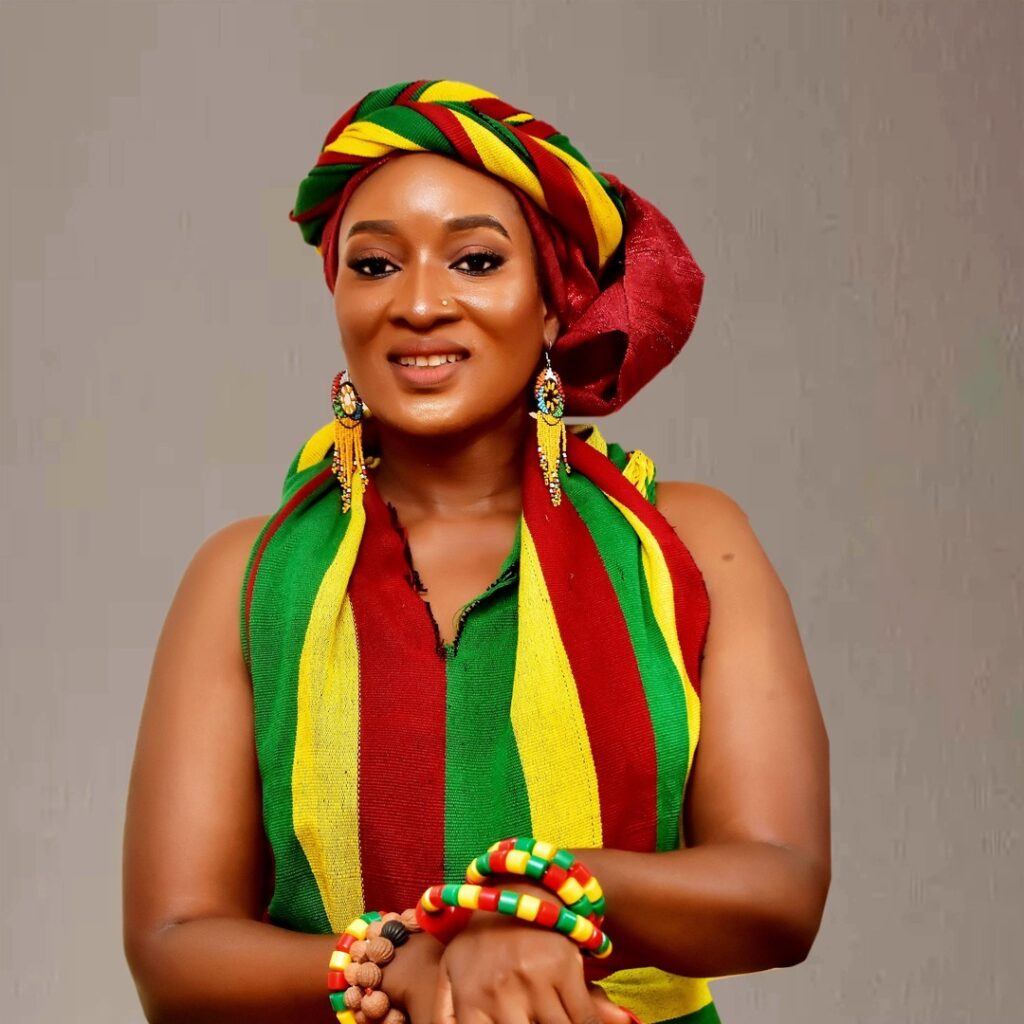
Thetmen Maikori is a teacher, author, singer, and cultural renaissance advocate, dedicated to preserving and promoting African heritage. Through storytelling, music, and education, she celebrates Nok and Hyam culture while inspiring a revival of traditions for younger generations.
Individual Presentation (in Kinyarwanda)
- 3:50 - 4:30 P.M. UTC
- 10:50 - 11:30 A.M. EST
Kingura: Expanding Access to Quality Education Through African Languages
Sub-theme #4: Educational Transformation
This session will explore how Kingura.com expands access to quality education through African languages. We will share our approach to designing culturally relevant digital courses in STEM, financial literacy, and technology, empowering youth and adults across Rwanda. Participants will learn practical strategies for creating localized e-learning content, engaging learners in their native languages, and leveraging technology to increase educational accessibility. The session highlights the transformative role of African languages in improving learning outcomes and fostering inclusive education across the continent.
Miriam Uwingabiye is the Content and Technical Manager at Bolingo Consult and Project Lead of Kingura.com. She leads the development of digital learning courses in Kinyarwanda and African languages, focusing on STEM, financial literacy, and technology. Miriam specializes in creating culturally-relevant e-learning content that expands access to quality education for youth and adults across Rwanda.
February 24
Registration and Networking
- 8:00 - 8:50 A.M. UTC
- 3:00 - 3:50 A.M. EST
Individual Presentation (in English)
- 9:00 - 9:40 A.M. UTC
- 4:00 - 4:40 A.M. EST
African Languages as Cultural Capital: Reclaiming the Economic Power
Sub-theme #5: Cultural Economy
African languages are vital repositories of knowledge, identity, and creativity that sustain the continent’s cultural economy. This paper examines their role as cultural and economic capital in driving creative industries, preserving Indigenous knowledge, and shaping social development. It argues that promoting African languages in education, media, and technology fosters innovation and inclusive growth. Recognizing these languages as economic assets is crucial for decolonizing development, sustaining cultural heritage, and strengthening Africa’s contribution to the global creative economy.
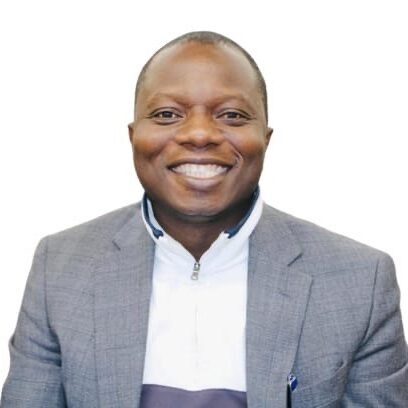
Dr. Gabriel Ayoola is a scholar of African languages, literature, and intercultural studies. He earned his Ph.D. in Comparative Literature and Intercultural Studies from the University of Georgia. He also holds degrees from the University of Wisconsin-Madison and the University of Ibadan. He currently teaches at the University of Michigan and is the president of the African Language Teachers Association (ALTA).
Whose 'Ability’ to Sustain? The Paradox of Language-in-Education in Africa
Sub-theme #4: Educational Transformation
Individual Presentation (in Amharic)
- 9:50 - 10:30 A.M. UTC
- 4:50 - 5:30 A.M. EST
The education systems in many parts of Africa, as they have been implemented over recent decades, have failed to meaningfully improve the lives and aspirations of people. A significant, yet often overlooked factor contributing to this failure is the language-in-education question. Sustainable education is about empowerment, but existing systems seem to lead to culturally and socially alienating children. In this regard, the talk will raise questions that open conversations about conceptual and practical approaches to creating an educational system that foregrounds the use of local languages without disregarding regional and international lingua francas.
Binyam Sisay Mendisu currently serves as Professor of African Languages and Linguistics at The Africa Institute, GSU in Sharjah, and the Associate Dean of the institute. He played a key role in the establishment of an African languages and translation program at the institute, and his research considers language as an archive of local knowledge and memory. His research interest includes grammatical study of least known languages, mother tongue education, and language and education policy.
Workshop (in Dagbani)
- 10:40 - 11:40 A.M. UTC
- 5:40 - 6:40 A.M. EST
Building Speech Technology for African Languages with Mozilla Common Voice
Sub-theme #3: Digital Innovation
A hands-on session that seeks to explore the development of Automatic Speech Recognition (ASR) and Text-to-Speech (TTS) models for African languages. This session will provide details on how we are leveraging the power of Common Voice’s open-source platform for both speech data collection and annotation tools and data sources to build language technologies for underrepresented languages. Participants will gain insights into the unique linguistic features of some Ghanaian languages, including their tonal nature and vowel harmony; the challenges and opportunities in training ASR and TTS models for Indigenous languages; and how community contributions can drive progress in this space.
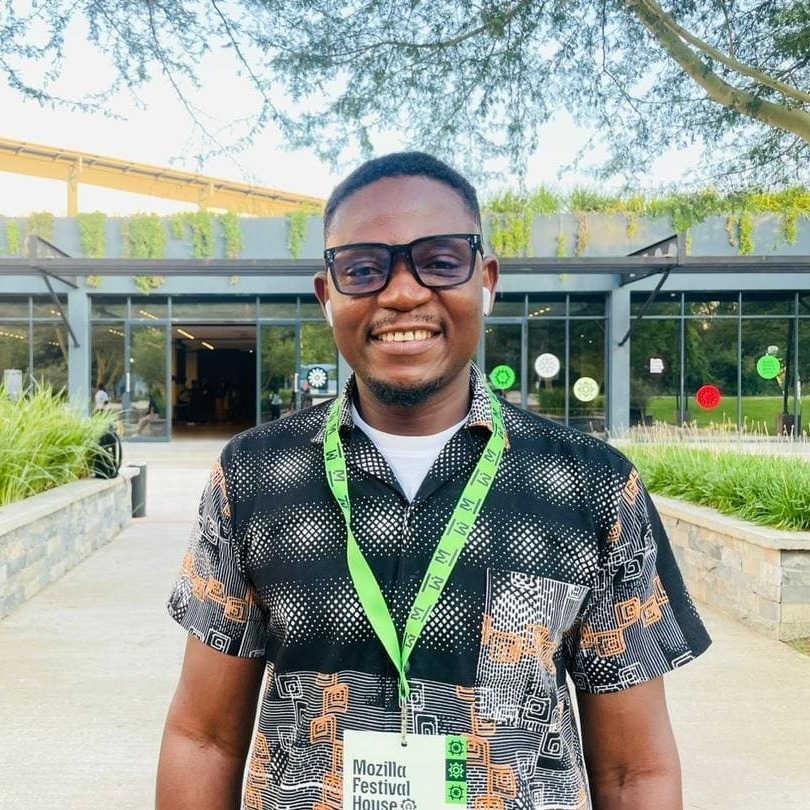
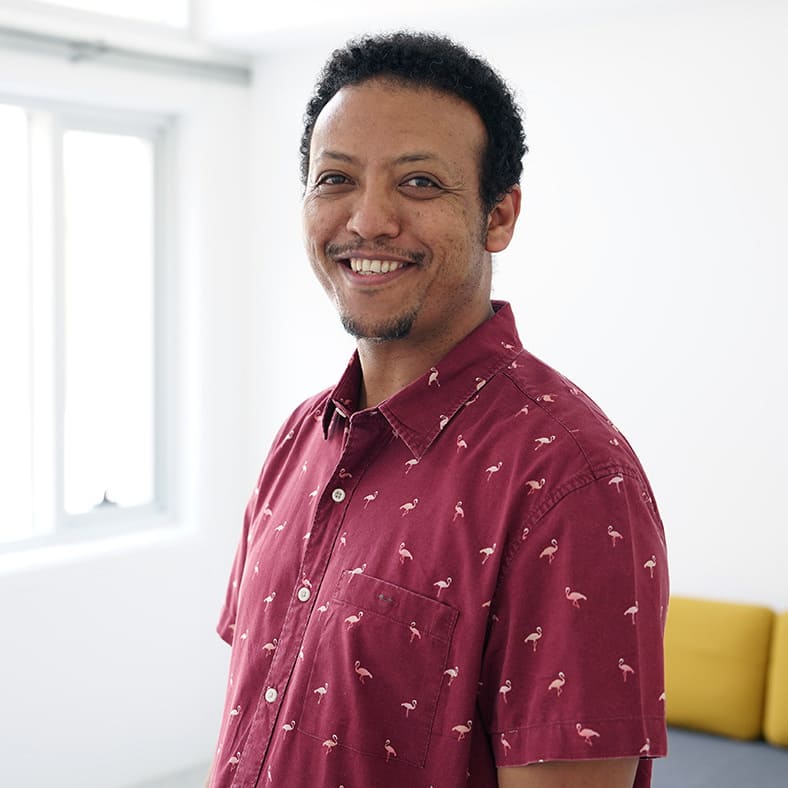
Sadik Shahadu is a certified Wikipedia trainer, journalist, and brand ambassador for the Curationist Foundation. He co-founded and serves as ED of the Dagbani Wikimedians User Group, a nonprofit supporting the 16 Mabia languages on Wikimedia and the wider internet. He serves on the advisory board of UNESCO’s Open Education for a Better World program and has been a Mozilla Open Leader X fellow, MozFest wrangler mentor, and festival ambassador.
Lunch & Networking
- 11:40 A.M. - 1:10 P.M. UTC
- 6:40 - 8:10 A.M. EST
Individual Presentation (in Kiswahili)
- 1:10 - 1:50 P.M. UTC
- 8:10 - 8:50 A.M. EST
From Translation to Transformation: The Rise of Kiswahili Dubbing in Tanzania’s Creative Economy
Sub-theme #2: Economic Growth
This presentation examines how Kiswahili dubbing advances language justice and economic inclusion in Tanzania’s creative industry. Growing demand for localized media creates opportunities for African languages and professionals. Drawing on a decade of translation and dubbing work, this talk shows how Kiswahili versions of film and TV expand access to information, education, and entertainment. It highlights local studios, new translators and voice actors, and Kiswahili as a viable media language. Ultimately, Kiswahili dubbing demonstrates that language work is more than technical—it drives social transformation, equitable participation, and amplifies African voices globally.
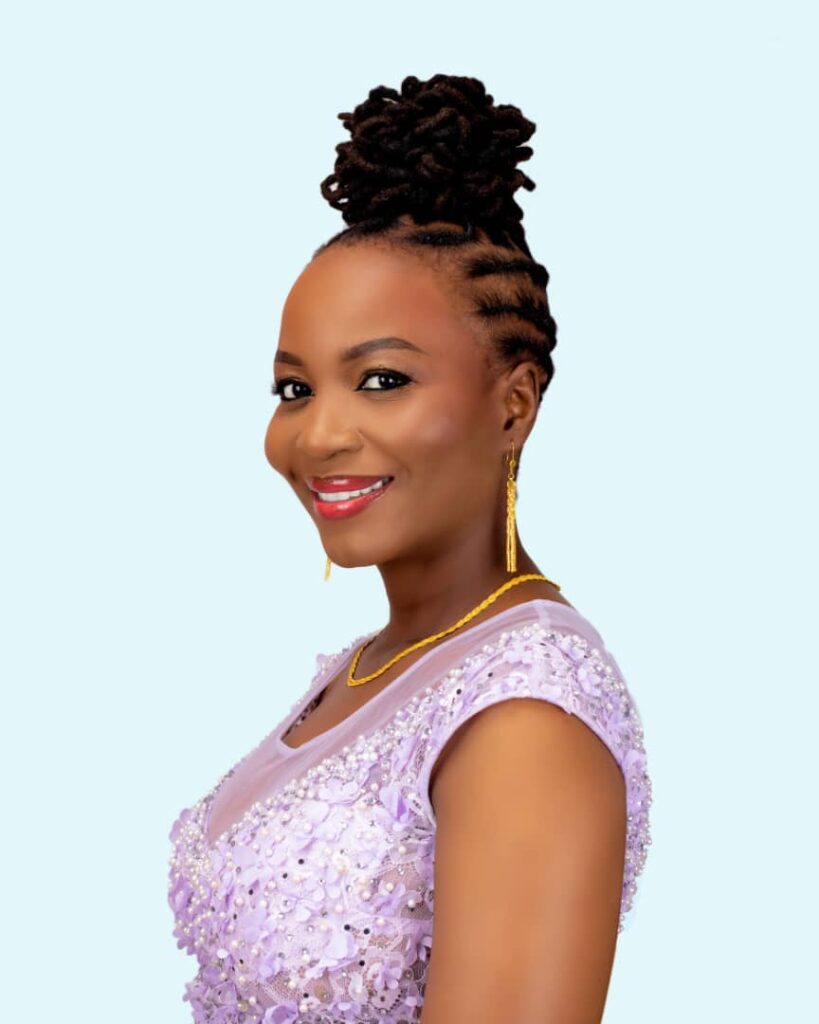
Rahma Nsekela is a Tanzanian audiovisual translator, interpreter, and language services manager specializing in Swahili-English language pairs. Rahma has over 10 years of professional experience spanning translation, subtitling, dubbing supervision, and editorial management, including work with AzamTV, Productive Playhouse and BBC Media Action projects. She advocates for language justice through accessible media and the elevation of African languages in global communication.
Panel Discussion: Educational Transformation
- 2:00 - 3:30 P.M. UTC
- 9:00 - 10:30 A.M. EST
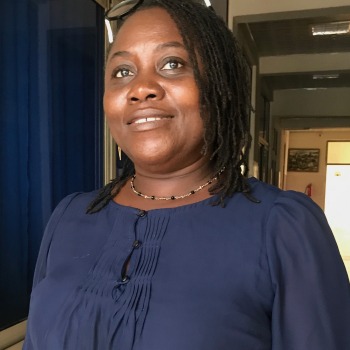
Dr. Rebecca Arthur (Moderator)
Dr. Rebecca Arthur is a Senior Lecturer and Head of the Department of English Education at the University of Education, Winneba, where she also earned her PhD in Applied Linguistics. She has over 25 years of teaching experience and specializes in English methods and literacy skills development. She has published more than 15 peer-reviewed articles, presented at international conferences, and supervises PhD, MPhil, and undergraduate research. Dr Arthur serves as an external assessor for colleges of education, a lead consultant for the British Council on a baseline study, and a facilitator for NGOs such as Right2Play. An active member of IATEFL and editor for the University Publication Board, she contributes to curriculum development and is committed to improving English teacher education.
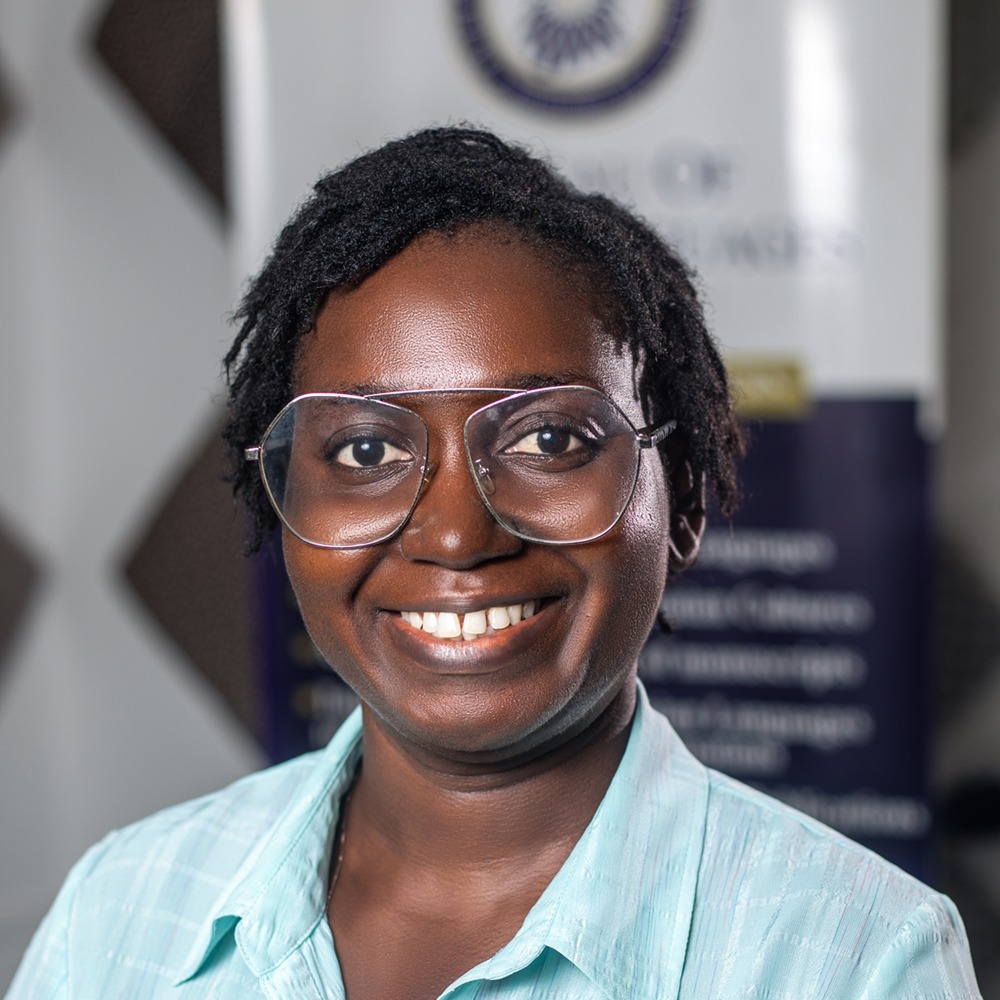
Sylvia Acquah-Sampson
Sylvia Acquah-Sampson serves as Head of the Mfantse Section at the Bureau of Ghana Languages, providing strategic leadership in language development, standardisation, and multilingual policy engagement. With extensive experience in editorial practice, translation, and curriculum-aligned publication, she plays a central role in advancing high-quality Mfantse educational and literary materials. Trained in Ghanaian Language Education at the University of Education, Winneba, she brings both academic rigour and field expertise to multilingual learning initiatives, with a strong commitment to linguistic preservation and equitable access to education through Ghanaian language systems and institutional collaboration.
Enoch Eduful Annan is a Senior Publications Officer at the Bureau of Ghana Languages, where he contributes to language development and promotion through translation, transcription, and manuscript editing. He heads the Bureau’s Business and Client Service Unit and has coordinated major multilingual communication projects for national institutions, including the Judiciary Service Institute, DVLA, and Fisheries and Agriculture Organization, as well as international collaborations. Trained in History and Ghanaian Language Education at the University of Cape Coast, his professional focus centres on multilingual access, language standardisation, and the role of Ghanaian languages in inclusive education and public communication.
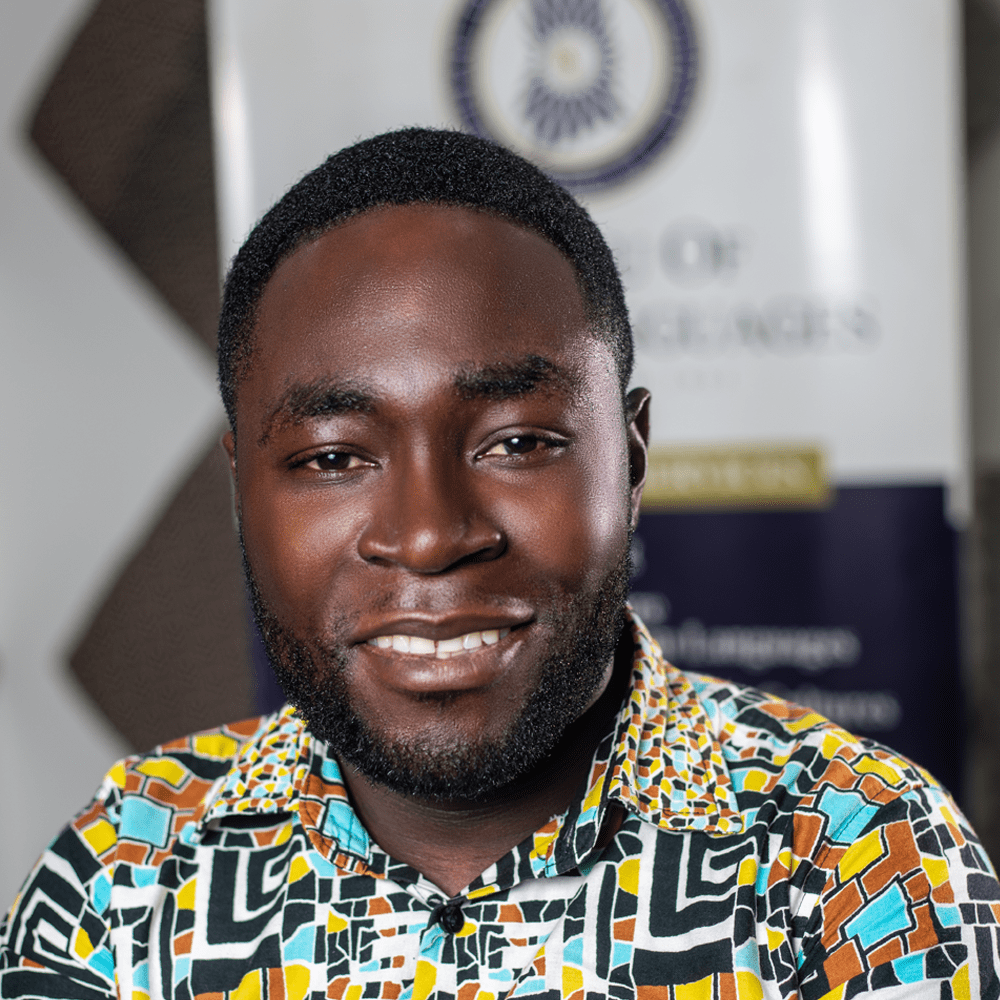
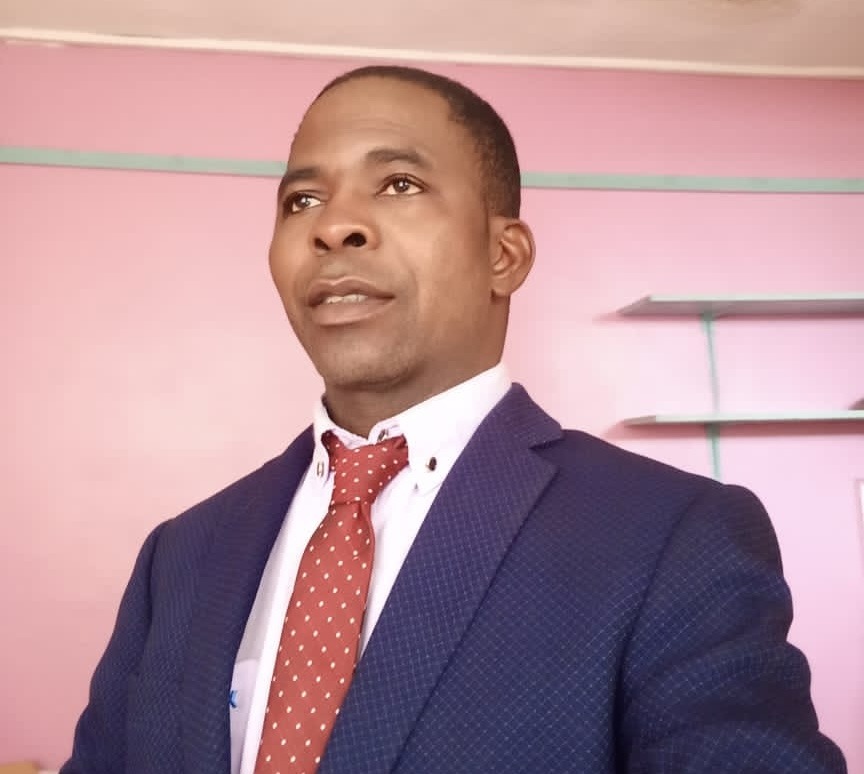
Dr. Emmanuel Dogbey is a Senior Lecturer and Head of the Department of Ewe Education at the University of Education, Winneba. He holds a PhD in Literature from Kenyatta University, an MPhil in Ghanaian Language Studies, an MEd in Educational Administration and Management, and a BEd in Ghanaian Language (Ewe). A trained professional teacher, he has many years of experience across pre-secondary, secondary, and tertiary levels in Ghana. His interests include language use as a social tool for edification, entertainment, and emancipation in literature and culture, as well as the general linguistics of Ewe. His research covers written and oral literature, cultural studies, anthropology, literary theory and pedagogy, and terminology studies and usage in literature.
Closing Ceremony
- 3:40 - 4:20 P.M. UTC
- 10:40 - 11:20 A.M. EST
- Closing Address by AFLC Directors & Co-founders, Avishta Seeras and Ady Namaran Coulibaly
- Spoken Word Poetry: Mother tongue by Cameroonian poet, Ruddy Morfaw
- Reflection Space: An AFLC tradition